I Hit a Weight Loss Plateau at 41. What Finally Worked
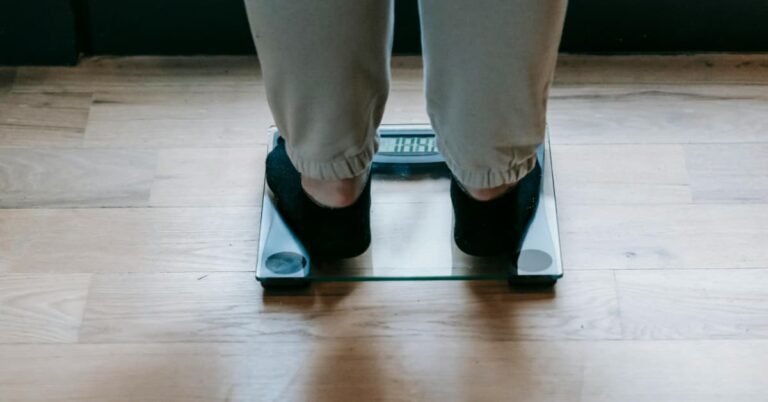
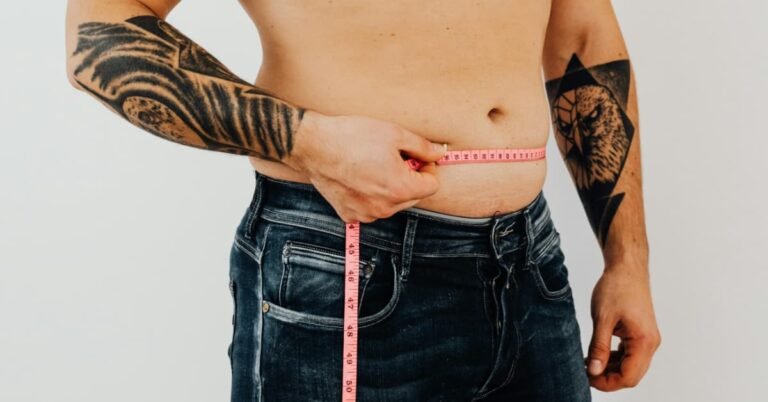
About ten months into my weight loss journey, the progress stopped. I’d lost around 4 to 5 kg (9 to 11 lbs) by that point – gradually, steadily, the way realistic weight loss after 40 is supposed to look. Then the number on the scale just parked itself and refused to move.
I’ll be honest – I wasn’t devastated. I’d already proven to myself that my body could change. I’d felt the improvements in energy, breathing and how I moved through the day. So the plateau felt more like a bump in the road than a dead end.
But it lasted three to four months. And while I wasn’t panicking, I did need to figure out what had changed. The answer, it turned out, was me.
What Actually Caused the Stall
Here’s the part most plateau articles skip. They jump straight to metabolic adaptation and hormonal shifts – and those are real. But in my case, the cause was much simpler. Life got in the way.
A stretch of demanding client projects at work pushed my hours longer. I was starting earlier, finishing later and the first things to go were the daily walks and strength training sessions I’d built into my routine. I went from walking every day and training three to four times a week to doing both maybe once or twice a week. Sometimes less.
Then the stress eating crept in. Late-night snacking while working. Reaching for quick, easy food instead of the protein-focused meals I’d been eating. I wasn’t bingeing – just quietly undoing the calorie deficit that had been driving my progress.
The result showed up in ways I could feel before the scale confirmed it. I was tired again. Fatigued in that familiar, heavy way. I could hear my own breathing during basic activity – walking up stairs, crossing a car park. It reminded me of how I felt before I’d started any of this. That recognition was the wake-up call.
The Mindset That Kept Me Steady
I think the reason this plateau didn’t break me is that I’d already banked enough evidence that change was possible. Ten months of progress had taught me something important: my body responds when I give it the right inputs. The fact that it had stopped responding simply meant the inputs had changed.
That reframing kept the frustration manageable. I wasn’t fighting against some invisible metabolic wall. I was dealing with a lifestyle disruption that I could trace back to specific, identifiable causes. Work pressure had pushed exercise out. Stress had changed my eating. Sleep had deteriorated because I was staying up late to meet deadlines.
Each of those was fixable. The question was which one to fix first.
Sleep Was the First Domino
I couldn’t fix everything at once. Work pressure wasn’t going to disappear. My schedule was still stretched. So I looked for the one change that would create the most downstream benefit, and sleep was it.
I started going to bed earlier. The calculation was simple – if work needed me to start early, the only way to get adequate sleep was to stop pushing my bedtime later. I set a cutoff for screens and aimed for seven to eight hours consistently.
Within about a week, I was waking up earlier without feeling wrecked. And that extra morning time did something I hadn’t planned – it gave me a window to walk before work started. The walk I’d been skipping for months came back, not because I’d found motivation but because I’d found time. Fixing sleep created the time.
The morning walks restarted the routine. Once I was walking again, my energy improved. When energy improved, the stress eating eased because I was handling the work pressure better physically. The cycle that had been running in reverse started running forward again.
I’ve written before about how sleep disruption makes weight loss harder and this experience proved it firsthand. Poor sleep didn’t just make me tired. It dismantled the habits that had been driving my results.
Exercise Came Back Gradually
Once the walks were daily again, I added strength training back in. Two sessions a week to start, using resistance bands and bodyweight exercises at home. Short sessions – twenty minutes, nothing ambitious. The goal was consistency, getting the pattern re-established.
The first couple of weeks felt sluggish. My body had lost some of the conditioning it had built over the previous months. Exercises that used to feel manageable were harder. But the familiarity was there – I knew the movements, I knew the routine, I just needed to rebuild the rhythm.
By week three, the sessions felt normal again. By week four, they felt good. The muscle I’d been slowly losing during the inactive months needed the stimulus, and it responded faster than I expected when I gave it back.
Diet Was the Last Piece
This surprised me. I assumed diet would be the first thing I’d need to fix – cut the snacking, get the protein intake back up, clean up the meals. And all of that did happen eventually. But it was the last piece to fall into place rather than the first.
Once I was sleeping properly, walking daily and training again, my appetite naturally shifted. The late-night snacking stopped because I was going to bed earlier. The cravings for quick, processed food eased because my energy was better and I had less stress driving my food choices. I started reaching for better meals again because my body was asking for them.
I didn’t white-knuckle my way back to better eating. The other changes created the conditions where eating well felt like the natural choice again. That’s the part I find most interesting looking back. The diet wasn’t the root problem – it was a symptom of the sleep and activity disruption. Fix those and the diet largely fixed itself.
The Plateau Broke Quietly
I wasn’t tracking my weight obsessively during this period. I’d check every couple of weeks, and somewhere around the six-week mark after getting sleep and walking back on track, the number started moving again. Slowly, the way it had moved before. A few hundred grams here and there, adding up over weeks.
There was no dramatic breakthrough moment. The plateau just dissolved as the habits that had caused the weight loss in the first place came back online. The body does what it’s designed to do when you give it the right conditions consistently. It just can’t do it when those conditions are missing.
What I’d Tell Someone Stuck Right Now
A plateau after 40 can feel like your body has decided to stop cooperating. But before you blame your metabolism or assume something is broken, look at what’s actually changed in your daily life. Work pressure, sleep disruption, reduced activity, stress eating – these are the quiet saboteurs that stall progress without announcing themselves.
My advice is simple: fix one thing. Pick the one that’s easiest for you and start there. For me it was sleep. For you it might be getting your walks back or cleaning up one meal a day. It doesn’t matter which domino falls first. Once one good habit restarts, it tends to pull the others along with it.
The plateau wasn’t a wall. It was a signal that life had shifted my habits and I needed to shift them back. That’s a problem with a solution. And the solution, in my case, was the same set of basics that had worked all along.
For the full picture on weight loss after 40, read the complete guide.
This article is based on personal experience and is not a substitute for professional medical or dietary advice. If you experience a prolonged weight loss stall alongside symptoms like persistent fatigue, unexplained weight gain or hormonal changes, consult a healthcare professional to rule out underlying conditions.