Why Belly Fat Gets Harder to Lose After 40
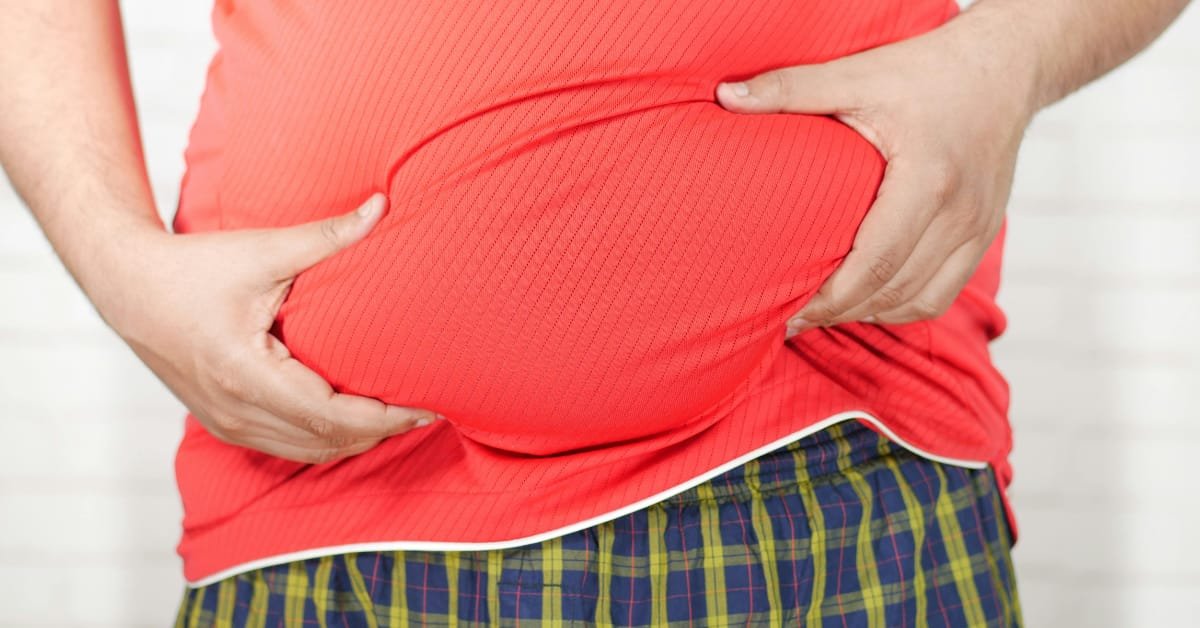
You’re eating roughly the same way you did five years ago. You’re not less active than you were at 35. But somehow, your belt has moved a notch. Maybe two. And the weight isn’t spreading evenly – it’s sitting right around your midsection, like it chose that spot and decided to stay.
This isn’t your imagination. Belly fat does get harder to lose after 40. And it’s not because you’ve suddenly lost discipline or stopped caring. The reasons are mostly biological, and understanding them is the first step toward doing something about it.
Your Hormones Are Shifting
Testosterone is the hormone most responsible for building lean muscle and keeping your metabolism active. It helps your body burn fat and directs energy toward muscle maintenance rather than fat storage.
The problem is that testosterone starts declining around age 30 – somewhere between 1% and 2% per year. By your early to mid-40s, the cumulative drop becomes noticeable. Less testosterone means less muscle mass. And since muscle burns more calories at rest than fat does, losing even a small amount of it changes how your body processes energy.
At the same time, cortisol – the stress hormone – tends to stay elevated in midlife. Work pressure, financial stress, family responsibilities and sleep disruption all contribute. Cortisol doesn’t just make you feel tense. It actively signals your body to store fat, particularly around the abdomen. The combination of falling testosterone and rising cortisol creates a metabolic environment that favours belly fat storage.
This isn’t something you can simply outrun or out-diet in the short term. But knowing it’s happening helps explain why the same habits that kept you lean at 30 aren’t working the same way anymore.
Muscle Loss Is Quietly Working Against You
There’s a process called sarcopenia – the gradual loss of skeletal muscle mass that begins in your 30s and accelerates through your 40s and beyond. Research shows that muscle strength can decline anywhere from 16% to 40% between people under 40 and those over 40.
This matters for belly fat because muscle is metabolically expensive tissue. It needs fuel just to exist. When you lose muscle, your body’s baseline calorie burn drops. You could eat exactly the same and still gain weight because your engine is running on a smaller fuel requirement.
Most men don’t notice the muscle loss at first. It happens slowly – a little less definition in the arms, slightly less strength when carrying heavy bags up the stairs. But the metabolic effect is real, and it compounds over time.
The good news is that muscle responds to resistance / strength training at any age. You can slow and even reverse sarcopenia with consistent strength work. If you haven’t started, a pair of dumbbells or a set of resistance bands is enough to begin.
If you haven’t started, a pair of dumbbells or a set of resistance bands is enough to begin.
Insulin Resistance Creeps In
Your body uses insulin to manage blood sugar. When cells respond well to insulin, energy gets used efficiently. But as men age, particularly through the 40s, cells can become less responsive to insulin. This is called insulin resistance, and it’s one of the key drivers of belly fat accumulation.
When your cells don’t respond well to insulin, your body produces more of it to compensate. Higher insulin levels promote fat storage – especially around the organs in your abdominal cavity. This type of fat is called visceral fat, and it’s different from the softer fat you can pinch on the surface.
Visceral fat is more metabolically active in harmful ways. It releases inflammatory compounds, disrupts hormone signaling and is strongly linked to higher risks of heart disease, type 2 diabetes and metabolic syndrome. Research suggests that men with excess visceral fat may face significantly higher health risks compared to men with a healthy waist size.
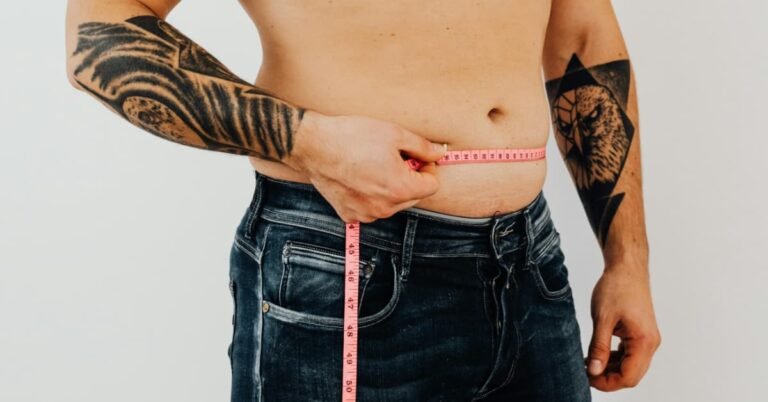
A waist circumference above 40 inches (102 cm) is generally considered a warning sign for elevated visceral fat in men. If you’re in that range, it’s worth paying attention to – not for appearance, but for long-term health.
Sleep and Stress Make It Worse
Poor sleep doesn’t just make you tired. It disrupts the hormones that regulate hunger and fullness. When you sleep badly, levels of ghrelin (the hunger hormone) go up and levels of leptin (the hormone that tells you you’re full) go down. The result is that you eat more the next day, often craving high-calorie foods, without even realising your appetite has been manipulated by a bad night’s rest.
Men over 40 frequently report that sleep quality drops – lighter sleep, more waking during the night, less deep rest. This becomes a cycle. Poor sleep raises cortisol. Higher cortisol promotes belly fat. More belly fat disrupts sleep further.
Stress compounds all of this. Chronic low-level stress keeps cortisol elevated throughout the day rather than letting it peak in the morning and taper off naturally. If your work involves long hours at a desk, tight deadlines or constant screen time, your stress hormones are likely doing more damage than you realise.
Addressing sleep and stress isn’t a bonus step in losing belly fat. For many men over 40, it’s the most important one.
Addressing sleep and stress isn’t a bonus step in losing belly fat. For many men over 40, it’s the most important one.
Your Diet Hasn’t Adjusted
Most men eat the same way in their 40s as they did in their 30s. Portion sizes stay the same. Meal timing stays the same. Carbohydrate-heavy meals that once fuelled active days now get stored more easily because your body’s calorie needs have quietly decreased.
The shift doesn’t require a dramatic diet overhaul. But a few adjustments can make a noticeable difference.
Protein becomes more important after 40. It supports muscle maintenance, keeps you fuller for longer and has the highest thermic effect of any macronutrient – meaning your body burns more energy digesting protein than it does carbs or fat. Research suggests aiming for around 1.2 to 1.6 grams of protein per kilogram of body weight.
Reducing refined carbohydrates and added sugar also helps. These cause insulin spikes more than any other food group and directly contribute to visceral fat accumulation. You don’t need to eliminate carbs. Just shifting toward whole grains, vegetables and legumes instead of white bread, sugary drinks and packaged snacks can improve insulin sensitivity over time.
What Actually Helps
Belly fat after 40 doesn’t respond well to the same strategies that work for younger men. Crash diets tend to strip muscle along with fat, which makes the underlying problem worse. Excessive cardio without strength training can have a similar effect.
What does work is a combination of approaches that target the underlying drivers.
Strength training is the most effective long-term tool. It preserves and builds muscle, which directly supports your metabolic rate and improves insulin sensitivity. Two to three sessions a week targeting all major muscle groups is enough to see results over a few months.
Walking is underrated for belly fat. It doesn’t spike cortisol the way intense exercise can, and it improves insulin sensitivity when done consistently. A daily walk of 30 to 45 minutes won’t produce dramatic overnight results, but over weeks and months, it contributes to a measurable reduction in visceral fat.
Sleep quality needs deliberate attention. A consistent bedtime, reduced screen time before bed, a cool room and limiting caffeine after midday are all small changes that compound into better rest and lower cortisol.
Protein intake should go up, not down. Many men try to lose weight by eating less of everything. That approach often reduces protein first, which accelerates muscle loss. Instead, prioritize protein at every meal and reduce portions of refined carbs.
Stress management is often dismissed as soft advice, but cortisol reduction has a direct, measurable impact on visceral fat. Even something as simple as a 10-minute walk after work or a few minutes of controlled breathing can lower cortisol levels noticeably.
The Honest Takeaway
Belly fat after 40 is not a character flaw. It’s the result of hormonal shifts, muscle loss, changing insulin response and often a lifestyle that hasn’t adapted to a body that’s running on different rules.
The fix isn’t a 30-day challenge or a specific food to avoid. It’s a set of steady, boring adjustments made consistently over months. Lift something heavy a few times a week. Walk daily. Sleep better. Eat more protein. Reduce sugar. Manage stress.
None of that is exciting. But it works – slowly and reliably. And for most men over 40, slow and reliable is exactly what their body needs.
For the full picture on weight loss after 40, read the complete guide.
Frequently Asked Questions
Can you lose belly fat after 40?
Yes. It takes longer than it would at 25, but strength training, walking, better sleep and higher protein intake all contribute to reducing belly fat over time.
Why does belly fat increase after 40 in men?
A combination of declining testosterone, muscle loss, rising cortisol and increased insulin resistance shifts fat storage toward the abdomen.
How long does it take to lose belly fat after 40?
With consistent effort, most men start noticing changes in 8 to 12 weeks. Visible reduction in belly fat typically takes 3 to 6 months of steady habits.
Is walking enough to lose belly fat after 40?
Walking helps, especially for reducing cortisol and improving insulin sensitivity. But combining it with strength training and dietary adjustments produces better results.
This article is for general information only. Belly fat and visceral fat can be linked to serious health conditions including diabetes, heart disease and metabolic syndrome. If you have concerns about your weight or health, talk to your doctor.