How Much Protein Do Men Over 40 Actually Need?
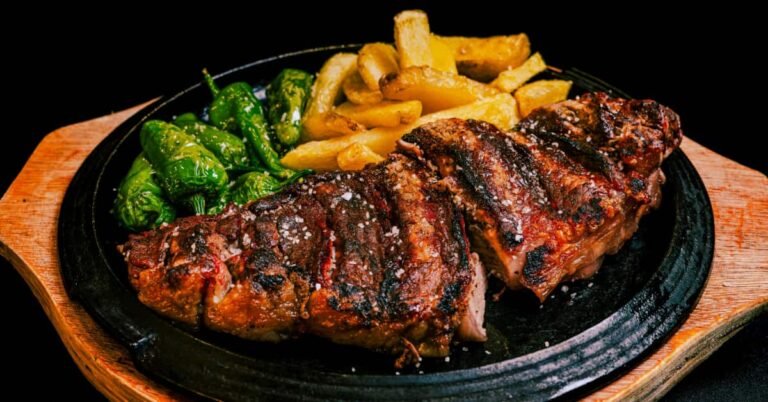
If you looked at what most men over 40 eat in a day, you’d notice something interesting. Breakfast is usually carb-heavy – toast, cereal, maybe a banana. Lunch is often whatever is quick. And dinner carries almost all the protein for the entire day, usually in a single large serving of meat or fish.
The total might look reasonable on paper. But the timing, the distribution and often the overall amount are working against what your body actually needs at this stage of life.
Protein isn’t just about building big muscles. After 40, it becomes one of the most important nutrients for keeping the muscle you already have, managing your weight, recovering from exercise and maintaining your energy through the day. Most men aren’t eating enough of it, and the ones who are tend to eat it all in one sitting, which limits how well the body can use it.
The Numbers That Matter
The standard recommended daily allowance for protein is 0.8 grams per kilogram of body weight. For a man weighing 80 kg (about 176 pounds), that works out to just 64 grams per day. That number was designed to prevent deficiency in sedentary adults. It was never meant to be optimal, especially for men over 40 dealing with age-related muscle loss.
More recent research from institutions like the Mayo Clinic and Stanford’s Lifestyle Medicine program suggests that men over 40 need significantly more. The recommended range for maintaining muscle and supporting metabolic health sits between 1.2 and 1.6 grams per kilogram of body weight per day.
For an 80 kg man, that translates to roughly 96 to 128 grams of protein per day. If you’re strength training regularly, the higher end of that range is more appropriate.
To put that in perspective, a chicken breast has about 30 grams of protein. Three eggs have about 18 grams. A cup of Greek yogurt has about 15 grams. Getting to 100+ grams per day requires deliberate effort across multiple meals. It won’t happen by accident.
Why Your Protein Needs Go Up After 40
There’s a concept in nutrition science called anabolic resistance. In simple terms, it means your muscles become less responsive to protein as you age. A 25-year-old eating 20 grams of protein at a meal will trigger a strong muscle-building response. A man in his 40s or beyond needs a larger dose of protein to get the same effect.
Research has shown that older adults may need around 30 to 40 grams of protein per meal to effectively stimulate muscle protein synthesis, compared to just 20 grams for younger adults.
This matters because muscle loss after 40 is real and measurable. Without adequate protein, your body can’t repair the muscle fibres that break down naturally through daily activity and exercise. Over time, this leads to sarcopenia – a gradual loss of muscle mass, strength and function that accelerates if left unaddressed.
Higher protein intake helps counter this process. It gives your muscles the raw material they need to maintain and rebuild themselves, even as the efficiency of that process declines with age.
Timing Matters More Than You Think
Eating 100 grams of protein in a day is one thing. How you distribute it matters nearly as much as the total.
Most men eat very little protein at breakfast, a moderate amount at lunch and a large portion at dinner. This pattern means your muscles go without adequate fuel for most of the day and then receive more than they can effectively use in one sitting.
Studies suggest that consuming 25 to 35 grams of protein at each meal – spread across breakfast, lunch and dinner – is more effective for muscle maintenance than loading it all into one meal. Your body can only use so much protein for muscle synthesis at one time. Going beyond 40 grams in a single sitting doesn’t provide additional muscle-building benefit. The excess gets used for energy or stored.
The practical takeaway is simple. Don’t skip protein at breakfast. Don’t rely on dinner to carry your entire daily intake. Spread it out.
What 100 Grams of Protein Actually Looks Like
One of the reasons men under-eat protein is that they don’t realise how much effort it takes to reach adequate levels. Here’s what a day of roughly 100 grams looks like using common foods:
Breakfast (25-30g): Three eggs scrambled (18g) with a slice of whole grain toast (3g) and a cup of Greek yogurt (15g). That’s about 36 grams right there.
Lunch (25-30g): A grilled chicken salad with about 120g of chicken breast (30g) and vegetables. Or a can of tuna (25g) with some crackers and cheese.
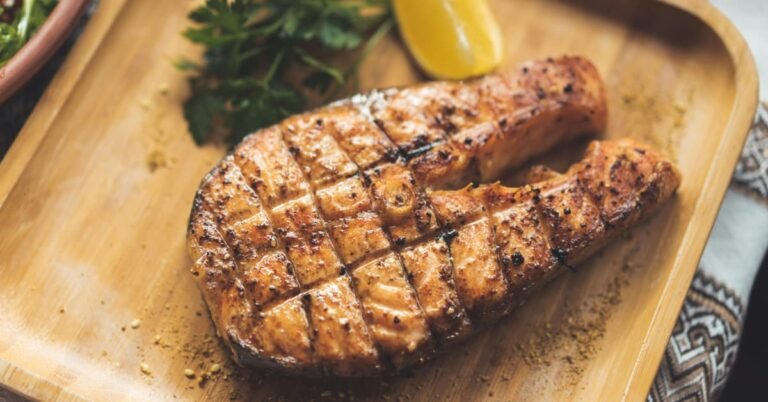
Dinner (30-35g): A palm-sized portion of salmon or chicken (30g) with rice and vegetables. Or a lentil and paneer curry if you prefer vegetarian options (about 25-30g depending on the recipe).
Snack (10-15g): A handful of almonds (6g) and a glass of milk (8g). Or a protein shake if you’re short on time.
None of this requires special foods or supplements. It just requires paying attention to what’s on your plate at each meal, which most men don’t do until someone points out the gap.
Protein and Weight Loss After 40
If you’re trying to lose belly fat after 40, protein becomes even more important. Many men try to lose weight by simply eating less of everything. The problem is that calorie reduction without adequate protein leads to muscle loss alongside fat loss. Your body breaks down muscle for energy when it doesn’t have enough protein to preserve it.
This creates a frustrating cycle. You lose weight on the scale, but a significant portion of that loss is muscle rather than fat. Your metabolism drops because you have less metabolically active tissue. And when you eventually return to normal eating, the weight comes back – often as fat rather than muscle.
Protein helps prevent this. It has the highest thermic effect of any macronutrient, meaning your body burns more energy digesting protein than it does carbs or fat. It also keeps you fuller for longer, which naturally reduces your total calorie intake without the constant feeling of restriction.
If you’re in a calorie deficit to lose weight, aim for the higher end of the protein range – closer to 1.6 grams per kilogram. This gives your body the best chance of preserving muscle while burning fat.
Common Protein Sources and Their Numbers
Knowing which foods are protein-rich makes meal planning easier. Here’s a quick reference:
- Chicken breast (100g cooked): 31g protein
- Eggs (1 large): 6g protein
- Greek yogurt (1 cup): 15g protein
- Salmon (100g cooked): 25g protein
- Tuna, canned (1 can/140g): 25g protein
- Lentils (1 cup cooked): 18g protein
- Cottage cheese (1 cup): 25g protein
- Paneer (100g): 18g protein
- Almonds (30g): 6g protein
- Milk (1 glass/250ml): 8g protein
- Whey protein powder (1 scoop): 20-25g protein
- Tofu (100g): 8g protein
- Chickpeas (1 cup cooked): 15g protein
The best approach is to pick 3 to 4 protein sources you enjoy and rotate them. You don’t need variety for the sake of it. You need consistency.
Do You Need Protein Supplements?
For most men over 40, whole food sources of protein are enough if you plan your meals with intention. Supplements aren’t necessary but they can be convenient.
A whey protein shake is useful when you’re short on time, especially after a workout when getting protein within a couple of hours supports muscle recovery. It’s also a simple way to add 20 to 25 grams to a meal that would otherwise be low in protein – blend it into a smoothie at breakfast or stir it into oatmeal.
If you’re lactose intolerant or prefer plant-based options, pea protein and soy protein are both well-researched alternatives with solid amino acid profiles.
But don’t fall into the trap of thinking supplements are superior to food. A chicken breast and a scoop of whey powder have roughly the same protein. The chicken comes with additional nutrients. The powder comes with convenience. Both work.
The Connection to Sleep and Recovery
Protein doesn’t just support your muscles during the day. It plays a role in how well you sleep and recover at night.
Amino acids from protein are involved in the production of neurotransmitters that regulate sleep, including serotonin and melatonin. Men who consistently under-eat protein sometimes report poorer sleep quality, though the relationship is complex and involves many factors beyond just diet.
What’s more directly measurable is the link between protein intake and exercise recovery. If you’re strength training after 40, your muscles need protein to repair the micro-tears caused by resistance exercise. Without adequate intake, recovery takes longer, soreness lingers and your next training session suffers.
Eating a protein-rich meal within two hours of a workout is a practical way to support this process. It doesn’t need to be immediate – the “30-minute anabolic window” has been largely debunked. But getting protein in relatively soon after training helps, especially as recovery naturally slows with age.
The Simple Takeaway
Protein after 40 isn’t complicated, but it does require attention. The key points are straightforward:
Aim for 1.2 to 1.6 grams of protein per kilogram of body weight per day. For most men, that means somewhere between 90 and 130 grams daily. Spread your intake across three meals, targeting 25 to 35 grams per meal. Don’t rely on dinner to do all the work. Choose whole food sources you enjoy and rotate them. Use supplements only to fill gaps, not as your primary source.
If you do nothing else differently with your diet after 40, increasing your protein intake is probably the single change with the highest return. It supports your muscles, helps manage your weight, improves your recovery and gives you more sustained energy throughout the day.
It’s not glamorous advice. But it works.
For the full picture on nutrition after 40, read the complete guide.
Frequently Asked Questions
How many grams of protein should a man over 40 eat per day?
Research suggests 1.2 to 1.6 grams per kilogram of body weight. For an 80 kg man, that’s roughly 96 to 128 grams per day.
Is protein powder necessary for men over 40?
Not necessary, but convenient. Whole food sources are enough if you plan your meals. A protein shake helps fill gaps when time is short.
When is the best time to eat protein after a workout?
Within two hours of training is ideal. The “30-minute window” has been largely debunked but getting protein relatively soon after exercise supports muscle recovery.
Can too much protein be harmful after 40?
Intakes above 2 grams per kilogram of body weight are generally considered excessive for most adults. If you have kidney issues, consult your doctor before increasing protein significantly.
This article is for general information only. Protein needs can vary based on health conditions, activity level and individual factors. If you have kidney disease or other conditions that affect protein metabolism, consult your doctor before significantly increasing your protein intake.