Weight Loss After 40 – The Complete Guide
Weight loss after 40 is not the same game it was in your 20s. The maths still applies (calories in versus calories out), but the variables around that equation have shifted in ways that make the old approach less effective and more frustrating.
Your metabolism has changed. Your hormones have changed. Your recovery is slower, your sleep is lighter and your body stores fat differently than it did a decade ago. Add work pressure, family obligations and the accumulated wear of daily life, and you have a landscape where the standard “eat less, move more” advice feels inadequate.
It’s not inadequate. It’s incomplete.
Weight loss after 40 works. Men do it successfully every day. But it requires understanding what has changed in your body, adjusting your expectations to match reality and building an approach that fits a life with more constraints and less margin for error than you had at 25.
This guide covers the full picture. What’s actually happening to your body, where the real obstacles are and what consistently works for men in this age group.
Your metabolism has changed (but it’s not broken)
The most common belief about weight loss after 40 is that your metabolism has collapsed and that’s why you’re gaining weight. The reality is more nuanced.
Research shows that basal metabolic rate remains relatively stable between 20 and 60. The decline is real, but it’s smaller than most people assume, roughly 1-2% per decade in sedentary adults. What changes more significantly is your body composition. You carry less muscle and more fat, and since muscle is more metabolically active than fat, your body burns slightly fewer calories at rest.
The bigger factors are behavioural. You move less throughout the day than you did in your 20s. Spontaneous physical activity (fidgeting, walking, standing, taking stairs) decreases with age and lifestyle changes. This reduction in non-exercise activity thermogenesis (NEAT) accounts for a larger calorie gap than the metabolic slowdown itself. Understanding how your metabolism has actually shifted removes the helplessness and replaces it with variables you can influence.
Why belly fat gets harder to lose
If you’ve noticed that fat accumulates around your midsection more stubbornly than it used to, you’re not imagining it.
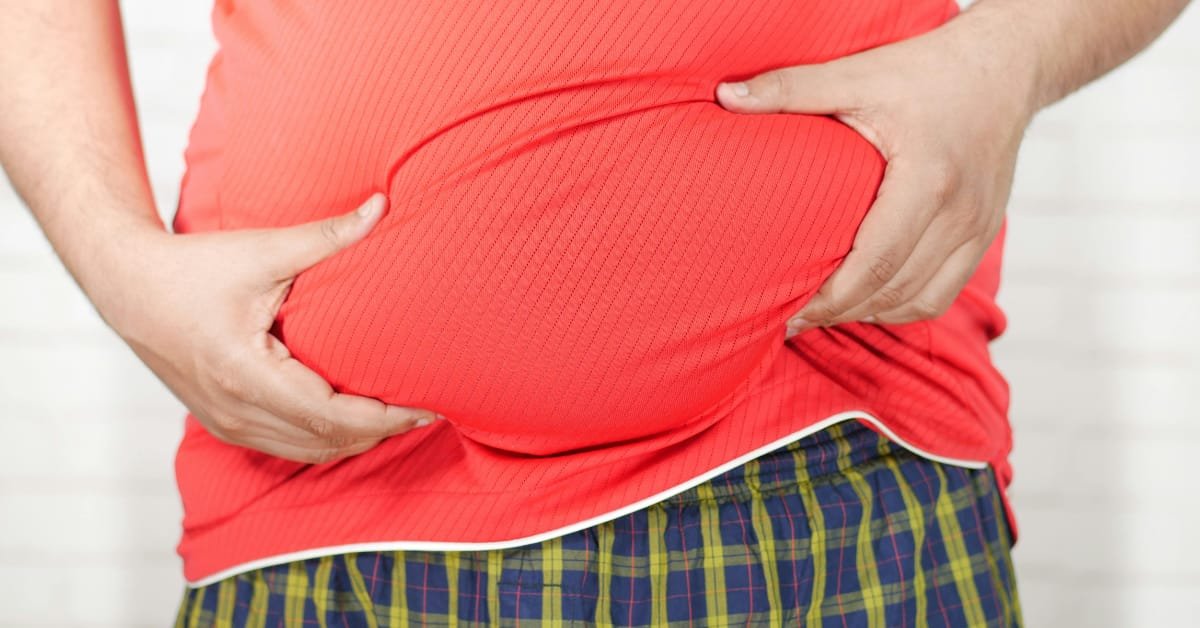
After 40, hormonal changes (particularly declining testosterone and rising cortisol) shift where your body preferentially stores fat. Subcutaneous fat (under the skin) gives way to visceral fat (around the organs), which concentrates in the abdominal area. This isn’t just a cosmetic issue. Visceral fat is metabolically active in harmful ways, producing inflammatory compounds and disrupting insulin signalling.
Belly fat after 40 responds to the same calorie deficit that reduces fat elsewhere, but it’s often the last to go. Spot reduction doesn’t work. The approach that consistently produces results is a sustained, moderate calorie deficit combined with regular movement and adequate protein. Patience matters here more than intensity. Crash diets that work temporarily at 25 tend to backfire at 45, leading to muscle loss, metabolic adaptation and regain.
Understanding calories (and why tracking helps)
You don’t need to count calories forever. But understanding what you’re actually consuming, even for a short period, is one of the most useful things you can do for weight loss after 40.
Most men significantly underestimate their daily calorie intake. Sauces, cooking oils, snacks, drinks and portion sizes add up in ways that aren’t intuitive. Tracking calories for even 30 days builds a mental database that stays with you long after you stop logging. You learn which foods are calorie-dense, which meals keep you full and where the hidden intake is coming from.
A moderate calorie deficit of 300-500 calories per day is sustainable and effective for most men over 40. Aggressive deficits (800-1000 calories below maintenance) produce faster initial results but accelerate muscle loss, increase fatigue and are nearly impossible to maintain. After 40, preserving muscle while losing fat is the priority. That requires a deficit large enough to produce fat loss but small enough to protect lean tissue.
How much weight you can realistically lose
Expectations drive adherence. If you expect to lose 5 kilograms in a month and lose 2, you feel like you’ve failed even though 2 kilograms of fat loss in a month is genuinely excellent progress.
Realistic fat loss after 40 sits at roughly 0.5-1 kg (1-2 lbs) per week for most men, assuming a consistent moderate deficit. That’s 2-4 kg (4.5-9 lbs) per month. The rate varies based on starting weight, activity level and how much fat you have to lose. Men with more body fat lose faster initially. As you get leaner, the rate slows.
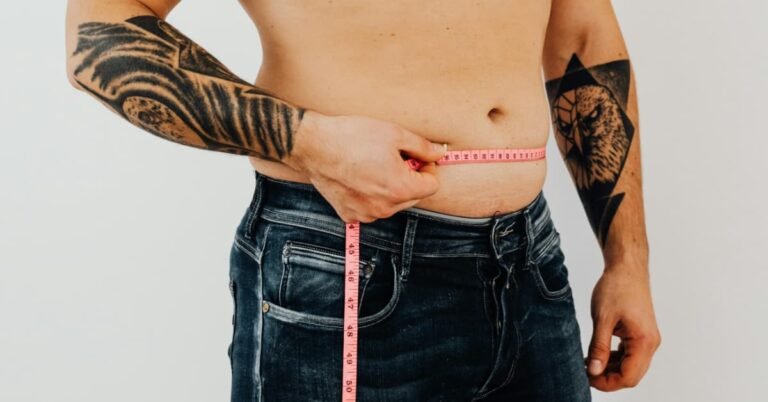
The scale is also a poor short-term indicator. Water retention, meal timing, bowel movements and muscle glycogen can swing your weight by 1-2 kg (2-4 lbs) day to day. Weekly averages are more useful than daily weigh-ins. Waist measurements, how your clothes fit and your energy levels tell you more about progress than the number on the scale.
The role of walking and movement
Exercise contributes to weight loss, but not in the way most people think. A 30-minute walk burns roughly 150-200 calories. That’s meaningful over a week, but it’s easy to erase with one extra snack. The real value of movement for weight loss after 40 is indirect.
Walking improves insulin sensitivity, which helps your body regulate blood sugar and partition nutrients more effectively. It reduces cortisol, which lowers the hormonal driver behind abdominal fat storage. It improves mood and sleep, both of which support better food decisions. And it increases daily energy expenditure without creating the appetite spike that intense exercise often triggers.
Walking consistently is one of the most sustainable movement habits for weight loss after 40. It doesn’t require recovery days, it doesn’t make you ravenously hungry afterwards and it fits into a normal day without restructuring your schedule.
Strength training complements walking by preserving and building muscle during a calorie deficit. More muscle means a higher resting metabolic rate, which makes maintaining weight loss easier over time. The combination of walking for daily movement and strength training for muscle preservation is the most effective exercise approach for men over 40 who are trying to lose fat.
Why sleep matters more than you think
This is the weight loss factor that gets the least attention and has one of the largest effects.
When you sleep poorly, your body produces more ghrelin (hunger hormone) and less leptin (satiety hormone). You wake up hungrier, crave carbohydrates more intensely and have less willpower to resist them. One bad night doesn’t matter much. Chronic poor sleep creates a hormonal environment that actively works against fat loss.
Poor sleep makes weight loss measurably harder. Studies show that sleep-deprived individuals on the same calorie deficit lose significantly more muscle and less fat compared to well-rested individuals. After 40, when muscle preservation is already a challenge, this effect is compounded.
If you’re doing everything right with nutrition and exercise but not seeing results, your sleep is the first place to investigate. Seven to eight hours of quality sleep isn’t a luxury. It’s a weight loss tool.
Plateaus and what to do about them
Every man who loses weight for more than a few weeks will hit a plateau. The scale stops moving, progress stalls and the temptation to either quit or do something drastic increases.
Plateaus happen for several reasons. As you lose weight, your body requires fewer calories to maintain its new mass. Your metabolism adapts subtly to prolonged restriction. Non-exercise movement often decreases unconsciously as your body conserves energy. The deficit that worked in month one may no longer exist in month three.
Breaking through a weight loss plateau usually doesn’t require dramatic changes. Small adjustments work: recalculating your calorie target for your current weight, increasing daily steps, adding a strength session or taking a planned diet break (eating at maintenance for a week to reset hunger hormones). The worst response is to slash calories further, which accelerates muscle loss and makes the next plateau arrive faster.
The health dimension beyond the scale
Weight loss after 40 isn’t just about how you look. The metabolic and health implications become increasingly significant with age.
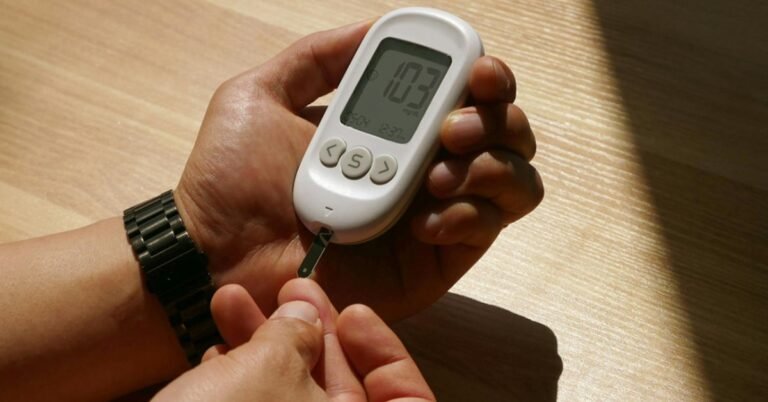
Excess body fat, particularly visceral fat, is directly linked to insulin resistance, elevated blood sugar and increased risk of type 2 diabetes. Losing weight after 40 has a measurable impact on blood sugar regulation and diabetes risk. Even modest fat loss of 5-10% of body weight can significantly improve insulin sensitivity, blood pressure and cholesterol markers.
This is the part of weight loss that doesn’t show in the mirror but shows in bloodwork. For men over 40, the health return on fat loss is arguably more valuable than the aesthetic return. You’re not just fitting into smaller clothes. You’re shifting the trajectory of your long-term health in a direction that compounds over decades.
Building an approach that lasts
The weight loss approaches that work after 40 share common traits. They’re moderate rather than extreme. They prioritise protein and muscle preservation. They include consistent movement, adequate sleep and a calorie deficit that’s sustainable for months rather than just tolerable for weeks.
They also account for real life. Social meals, travel, holidays, stressful weeks, bad nights. A plan that only works under perfect conditions isn’t a plan. It’s a wish. The men who lose weight and keep it off after 40 are the ones who build systems flexible enough to absorb imperfect days without collapsing.
Start with the basics. Understand your calorie intake. Eat enough protein (1.6-2.0 grams per kilogram of body weight or about 0.7-0.9 gram per pound). Walk daily. Strength train 2-3 times a week. Prioritise sleep. Be patient with the process and honest about the numbers.
Weight loss after 40 is slower, less forgiving and more dependent on consistency than it was at 25. But it works. The body you have right now is capable of meaningful change. It just needs an approach that respects what it’s become rather than pretending it’s still what it was.
Frequently Asked Questions
Why is it harder to lose weight after 40?
Several factors converge: reduced muscle mass lowers resting metabolic rate, hormonal shifts increase abdominal fat storage, daily movement tends to decrease and recovery from exercise takes longer. The calorie deficit that worked at 25 often needs recalibration after 40.
How many calories should a man over 40 eat to lose weight?
A moderate deficit of 300-500 calories below your maintenance level is sustainable and effective. For most men over 40, this falls in the range of 1,800-2,200 calories per day depending on size, activity level and starting weight.
Can you lose belly fat specifically after 40?
Spot reduction isn’t possible. Belly fat responds to a sustained calorie deficit, adequate protein, consistent movement and stress management. Visceral fat around the midsection is often the last to go, but it does respond to the same fundamentals that reduce overall body fat.
How important is exercise for weight loss after 40?
Exercise supports weight loss but nutrition drives it. Walking improves insulin sensitivity and daily energy expenditure. Strength training preserves muscle during a calorie deficit. The combination is more effective than either alone, but without a calorie deficit, exercise alone rarely produces significant fat loss.
This article is for general information only. If you have significant weight to lose, existing metabolic conditions like diabetes or a history of disordered eating, consult a healthcare professional before starting a weight loss programme. A registered dietitian can help build a plan tailored to your specific needs and health profile.