5 High-Protein Meals I Eat Every Week After 40
A year ago, I thought I was eating well enough. Eggs in the morning, some meat at dinner, breads or rolls to fill the gaps. But when I actually looked at what I was putting away each day, protein barely made up 15% of it. The rest was mostly carbs.
I didn’t think it mattered much until the fatigue got worse. I was dragging through afternoons. Recovery from even light strength training took days instead of hours. And my body looked roughly the same no matter what I did.
So I changed the one thing I’d been ignoring – how much protein I was actually eating. Not with a complicated meal plan or expensive supplements. Just five meals I could rotate through every week without getting bored or spending half my day in the kitchen.
These are those five meals. They’re simple, they don’t take long and they’ve made a bigger difference than I expected.
1. Scrambled Eggs with Butter (Almost Every Morning)
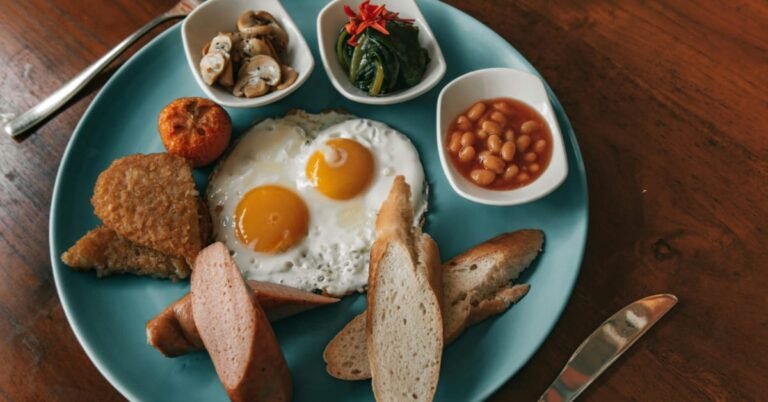
I used to eat one egg a day and think that counted as protein. Now I have three or four, scrambled in butter. No oil. The butter adds flavour and keeps me from reaching for toast or cereal to feel full.
On some mornings I’ll make it an omelette instead – toss in whatever’s around. Onions, peppers, a handful of spinach. But the base is always the same: eggs and butter.
This one change alone bumped my morning protein from roughly 6 grams to about 25. That’s a meaningful shift, especially before the day even gets going. I wrote more about how much protein men over 40 actually need if you want the full picture.
2. Whey Protein Shake (The Non-Negotiable)
I resisted protein shakes for a long time. Felt like something gym bros did. But once I started tracking my intake, I realized there was no easier way to close the gap between what I was eating and what my body needed.
I keep it basic – one scoop of whey, water and sometimes a banana blended in. Takes about 90 seconds. I usually have it mid-morning or right after a workout.
Around 25 grams of protein for almost no effort. On days when lunch gets delayed or I’m too busy to cook, this is the safety net that keeps my intake from dropping. If you’re losing muscle after 40 and wondering where to start, this is one of the easiest first moves.
3. Slow-Cooked Lamb or Beef Stew (3-4 Times a Week)
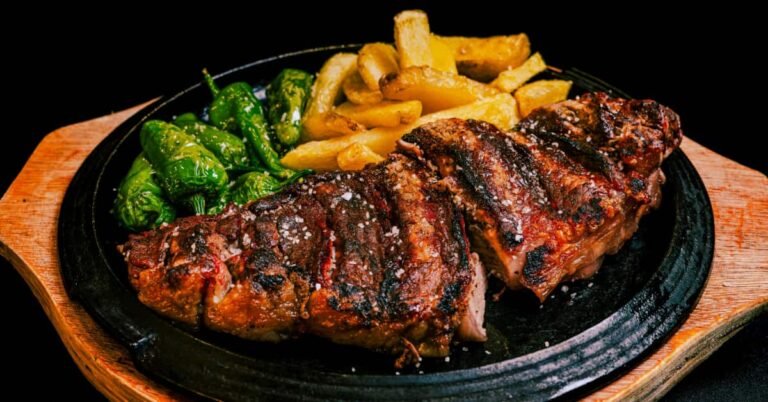
This one’s a staple for me. Bone-in lamb or beef, slow-cooked with onions, tomatoes and basic spices until the meat falls off the bone. It’s rich, filling and packed with protein – roughly 30 to 35 grams per serving depending on the cut.
I eat this three or four times a week, usually at dinner. My family cooks a big batch and it lasts a couple of days, so I’m not starting from scratch every night.
Red meat gets a bad reputation, and I’m not saying eat it every meal. But there are certain meats like goat and lamb that are leaner than most people assume, especially slow-cooked with the fat skimmed. For someone trying to manage belly fat after 40, it fits well into a balanced week without going overboard.
4. Chickpea or Lentil Bowl (The Underrated One)
Most people don’t think of legumes when they hear “high protein.” But a solid bowl of cooked chickpeas or lentils, seasoned well and served warm, gives you around 15 to 18 grams of protein per cup – plus fibre that keeps you full for hours.
I eat some version of this almost every day. Sometimes it’s chickpeas tossed with salt, a squeeze of lemon and diced onion. Sometimes it’s a thicker lentil stew. Either way, it’s cheap, easy to make in bulk and pairs well with almost anything.
This is probably the meal that surprised me the most. I used to ignore legumes completely. Now they’re a daily anchor. They also help with metabolic health because of the slow-digesting carbs and fibre content.
5. Grilled or Pan-Fried Fish (Twice a Week)
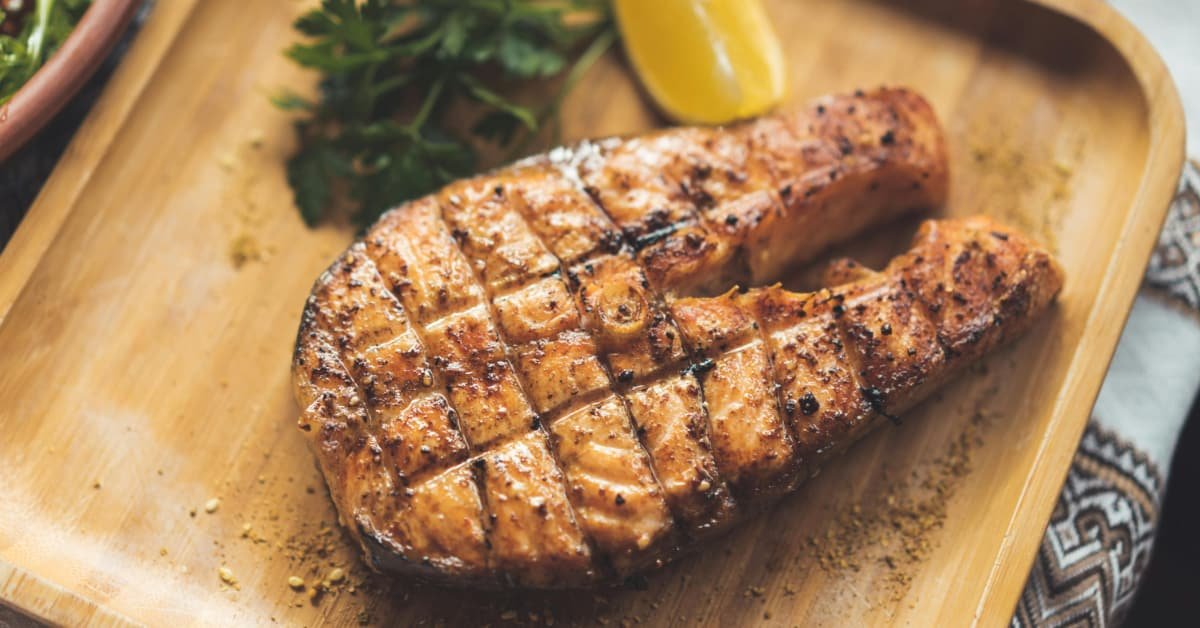
Fish was something I’d eat occasionally before. Now it’s a fixed part of the rotation – usually twice a week. I go with whatever’s fresh and affordable. Salmon, mackerel, tilapia – it doesn’t matter much as long as it’s real fish, not breaded and deep-fried.
A single fillet gives me around 25 to 30 grams of protein, plus omega-3s that I wasn’t getting from anywhere else. I keep the prep simple – a hot pan, some seasoning, five to seven minutes and it’s done.
Fish is also lighter than meat at night, which I’ve noticed helps with sleep quality. Not dramatically, but enough that I keep coming back to it. (I talked about the connection between food and rest in my piece on why sleep feels different after 40.)
What Changed When I Fixed My Protein
I won’t pretend it was overnight. But within about three to four weeks of eating like this consistently, a few things shifted.
The biggest one was energy. I stopped hitting that mid-afternoon wall where I’d feel like lying down for an hour. My body felt lighter – not because I’d dropped a lot of weight, but because I wasn’t carrying that heavy, sluggish feeling anymore. I was quicker on my feet. Getting up from a chair or climbing stairs didn’t feel like a chore.
When I paired the protein with bodyweight exercises, I started seeing small but visible changes in muscle definition. Nothing dramatic – but enough that I noticed in the mirror and that felt encouraging.
Sleep improved too. I can’t say for sure whether that was the protein, the walking or the strength training – probably all three working together. But the combination made a real difference. I wrote about that whole experience in how I got my energy back after it crashed at 40.
A Few Things Worth Mentioning
None of these meals require you to be a great cook. Eggs take five minutes. A protein shake takes two. The stew and legumes cook in batches that last days. Fish is fast on a hot pan.
I also didn’t overhaul everything at once. I started by adding the whey shake and the extra eggs. Then I built the other meals in over a few weeks. If you try to change every meal overnight, you’ll burn out – I’ve seen it happen.
And if you’re watching calories alongside protein (which I’d recommend if fat loss is part of your goal), these meals make it easier. High-protein foods keep you satisfied longer, so you naturally eat less junk between meals.
I’m not a nutritionist. I’m a guy in his early 40s who finally took protein seriously and felt the difference within a month. If your current meals are mostly carbs with a bit of protein on the side, flipping that ratio might be the simplest upgrade you make this year.
For the full picture on nutrition after 40, read the complete guide.
This article is based on personal experience and is not a substitute for professional nutrition advice. If you have dietary restrictions, food allergies or a medical condition that affects how your body processes protein, consult a healthcare professional before making significant changes to your diet.