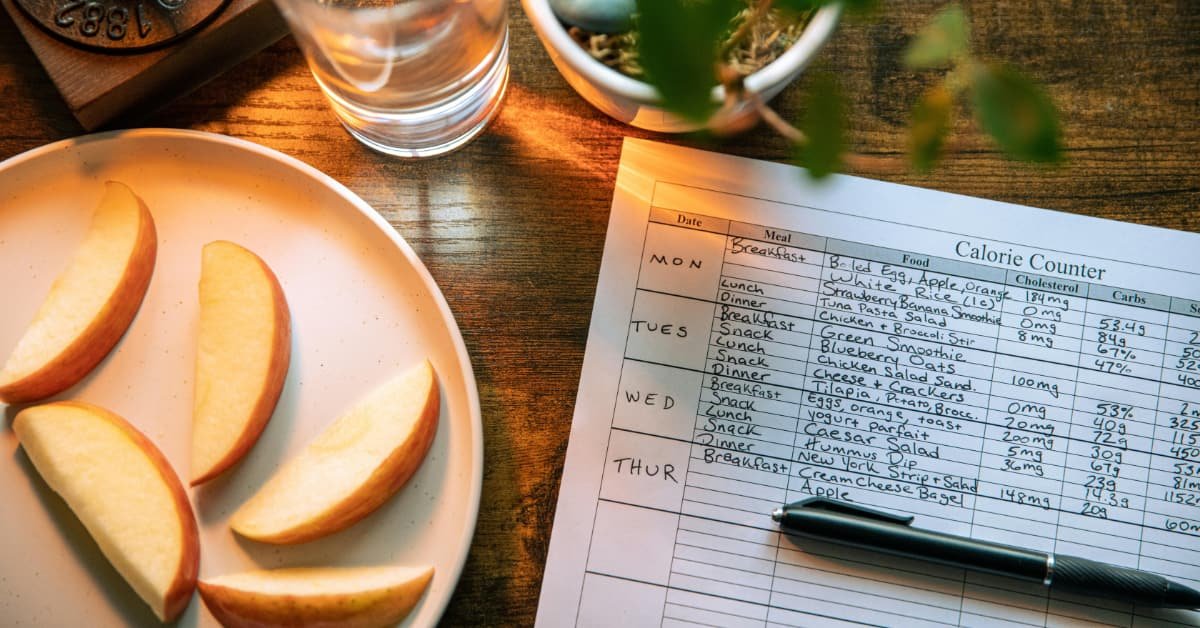
I Tracked My Calories for 30 Days After 40. Here’s What I Learned
I thought I was eating well. Not perfectly, but well enough. I avoided junk food most days, didn’t snack much, ate home-cooked meals and kept my portions reasonable. If someone had asked me how many calories I was eating, I would have said somewhere around 2,000 a day. Maybe a little less.
I was wrong.
I’d known about the 2,000 calorie guideline for years. I’d even installed a calorie tracking app a couple of times, but never stuck with it beyond a few days. The logging felt tedious and I convinced myself I didn’t need it. I had a general sense of what I was eating. That should be enough.
Then I noticed my weight creeping up despite no obvious change in my habits. My face looked rounder in photos. And I couldn’t explain it because I was eating “the same as always.”
So I decided to actually track what I ate. Properly, for 30 full days, so that I understand where the calories were really going. What I found surprised me more than I expected.
The First Week Was Humbling
The first day I logged everything, I hit 2,400 calories by dinner. I hadn’t eaten anything unusual – just my regular breakfast, a work lunch, an afternoon tea with some light snacks and a normal dinner. But when I added it all up, the number was about 400 calories higher than what I’d estimated in my head.
By the end of the first week, a pattern was clear. My meals were roughly what I thought they’d be. The problem was everything in between. The cooking oil we used at home liberally. The second helping of rice I didn’t think twice about. The handful of cashews while watching TV. The tea with sugar twice or thrice a day. None of these felt like “eating” in the moment, but each one added 100 to 200 calories that I’d been invisible to.
The other thing I noticed was how unbalanced my meals were. Breakfast was almost entirely carbohydrates – toast or bagel or cereal. Lunch had some protein but was carb-heavy too. Dinner was the only meal with a decent amount of protein. I was eating most of my day’s protein in a single sitting.
The Protein Gap Was the Biggest Surprise
This was the finding that changed the most for me. I knew protein mattered after 40, but I hadn’t realised how far short I was falling.
On a typical day before tracking, I was eating about 50 to 60 grams of protein. Research suggests men over 40 need 1.2 to 1.6 grams per kilogram of body weight. At about 80 kg, I should have been eating 96 to 128 grams. I was getting barely half of what my body needed.
The gap was especially stark at breakfast and lunch. Some mornings I’d eat less than 5 grams of protein. My muscles were essentially fasting for 16 hours between dinner and the next day’s lunch.
Once I saw this in the numbers, it made sense why my energy was low and why I felt sluggish in the afternoons. My body wasn’t getting the fuel it needed to maintain muscle and sustain energy through the day.
What 2,000 Calories Actually Looks Like
One of the most useful things about tracking was developing a visual sense of what 2,000 calories looks like in real food. Before tracking, my mental model was way off.
A plate of rice and a small serving of vegetables – that’s roughly 500 to 600 calories depending on the oil and portion size. Add a bread or roll and it’s another 120. A glass of full-cream milk is about 150. Two tablespoons of cooking oil used across a meal is about 240 calories on its own.
These aren’t big numbers individually. But they stack up fast, especially when you’re not paying attention. The gap between 2,000 and 2,400 calories is shockingly small in terms of actual food volume. It’s an extra chapati, a generous pour of oil and a sugary drink. That’s it. That’s the difference between maintaining your weight and slowly gaining.
For men over 40 with a sedentary desk job, the calorie budget is tighter than most people realise. Research suggests that sedentary men over 40 need roughly 2,000 to 2,200 calories to maintain their weight. Moderately active men need about 2,200 to 2,600. If you’re not exercising regularly, you have very little room for mindless extras.
The Small Things That Were Adding Up
Tracking forced me to be honest about the calories I’d been ignoring. These were the biggest offenders:
Cooking oil. I was using far more than I thought. Measuring it out instead of pouring freely saved about 200 to 300 calories a day without changing the taste of my food in any meaningful way.
Sugar in tea and coffee. Two cups of coffee with sugar was costing me about 100 calories a day. Over a month, that’s the caloric equivalent of nearly a kilogram of fat.
Second helpings. I wasn’t taking large second helpings, just a “little more” rice or one more bread. But that “little more” added 150 to 200 calories at dinner almost every night.
Snacking while cooking. Tasting food while preparing it, nibbling on ingredients, grabbing a biscuit while the kettle boils. These micro-snacks never felt like eating but contributed 100 to 200 calories on some days.
Weekend eating. On weekdays I was fairly disciplined. But weekends involved eating out, heavier breakfasts and less structure. My weekend calories were consistently 500 to 800 higher than weekdays, which erased much of the progress I’d made during the week.
What I Changed and What Happened
I didn’t go on a diet. I didn’t cut out food groups or start weighing everything obsessively. I just made a few targeted adjustments based on what the data showed me.
I added protein to breakfast and lunch. Three eggs at breakfast instead of toast. A larger portion of chicken or cottage cheese at lunch. This single change got my daily protein from about 55 grams to over 90 grams without much effort.
I measured cooking oil. One tablespoon instead of a free pour. This cut about 200 calories a day from my meals with zero impact on enjoyment.
I dropped sugar from my second cup of tea. Kept sugar in the morning cup because I enjoy it. Removed it from the afternoon one. Small change, easy to sustain.
I stopped taking automatic second helpings. Instead of going back for more, I’d wait 15 minutes after finishing my plate. Most of the time I realised I wasn’t actually still hungry.
I paid more attention to weekends. Not restricting, just being aware. I’d eat out but skip the appetiser. I’d have breakfast but not a second one.
Over 30 days, these changes added up. I lost about 1.5 kilograms (about 3.3 pounds) without feeling deprived. My afternoon energy improved noticeably within the first two weeks, which I attribute mainly to the protein increase at breakfast and lunch. And my walking routine felt easier because I wasn’t carrying the sluggishness of carb-heavy meals into my evening walks.
Do You Need to Track Forever?
No. I stopped tracking after 30 days or so and I don’t plan to go back to daily logging. The value of tracking wasn’t in the numbers themselves. It was in recalibrating my awareness.
After a month of seeing the data, I now know roughly what 30 grams of protein looks like on a plate. I know that a generous pour of oil adds more calories than the food it’s cooking. I know that my weekend eating habits were quietly undermining my weekday discipline.
That awareness doesn’t go away when you stop logging. It becomes a filter through which you make food choices automatically. You don’t need the app anymore because the lessons are already embedded in how you think about meals.
If you’ve never tracked your food, I’d recommend trying it for even two weeks. Not to restrict yourself, but to see what’s actually happening. Most men over 40 who try this discover at least one thing they didn’t know about their eating habits. Usually it’s either a calorie source they weren’t counting or a protein gap they didn’t realise existed.
What I’d Do Differently
If I did this experiment again, I’d start by tracking protein specifically rather than total calories. The protein gap was the most actionable insight. Fixing it improved my energy, my recovery from strength training and my ability to manage weight. Total calories matter, but protein is the lever that moves the most after 40.
I’d also be less strict about tracking on weekends from the start. My first attempt involved logging every meal including restaurant food, which was frustrating and often inaccurate. A simpler approach would be to track weekdays carefully and just be generally mindful on weekends.
And I’d remind myself earlier that the goal isn’t perfection. Some days will be higher. Some meals will be unplanned. The value is in the pattern, not any single day. One day of overeating doesn’t matter. Thirty days of consistently being 300 calories over without knowing it does.
For the full picture on weight loss after 40, read the complete guide.
Frequently Asked Questions
How many calories should a man over 40 eat per day?
Sedentary men over 40 need roughly 2,000 to 2,200 calories to maintain weight. Moderately active men need 2,200 to 2,600. To lose weight, a moderate deficit of 300 to 500 calories below maintenance is effective.
Should men over 40 track calories?
Tracking for even 2 to 4 weeks builds awareness about portion sizes, protein gaps and hidden calorie sources. You don’t need to track forever – the goal is to recalibrate your habits.
What is the biggest calorie mistake men over 40 make?
Under-eating protein while over-eating carbs and hidden calories from cooking oil, sugary drinks and mindless snacking. Most men don’t realise how unbalanced their intake is until they track it.
This article is based on personal experience with calorie tracking. Individual calorie needs vary based on weight, height, activity level and health conditions. If you have specific dietary concerns, consult a healthcare professional or registered dietitian.