I Switched to Resistance Bands After 40. Here’s What Happened
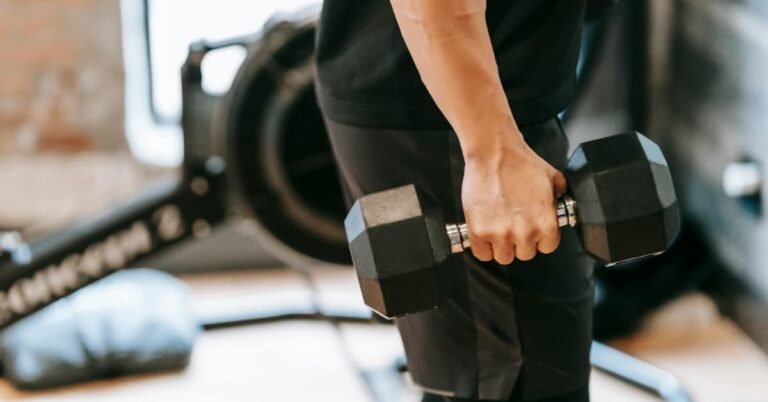
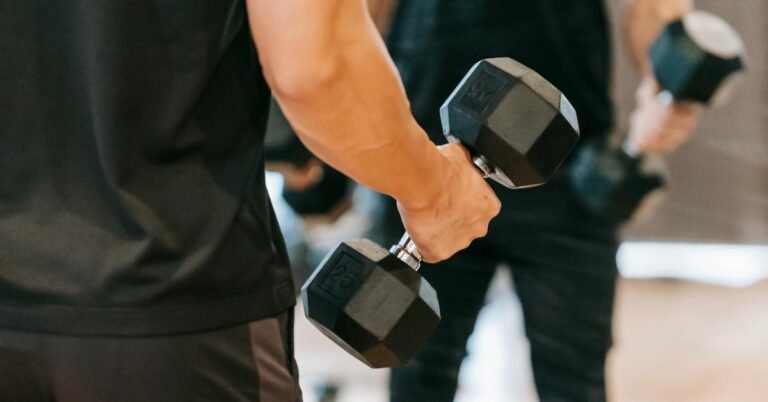
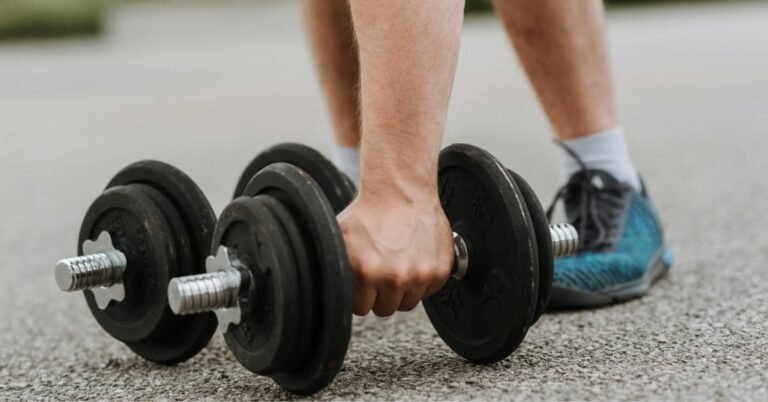
I’d been using dumbbells for a while when I hit a practical problem. I was travelling regularly – sometimes for a week, sometimes longer – and every trip meant my training routine just stopped. I’d come back, feel like I’d lost ground and spend the first few days trying to get back into it.
I needed something I could take with me. Something that fit in a suitcase and worked in a hotel room without annoying the person in the room below. That’s how I ended up trying resistance bands.
I expected them to be a temporary fix. A holdover until I got back to “real” equipment. I was wrong about that.
Why Bands in the First Place
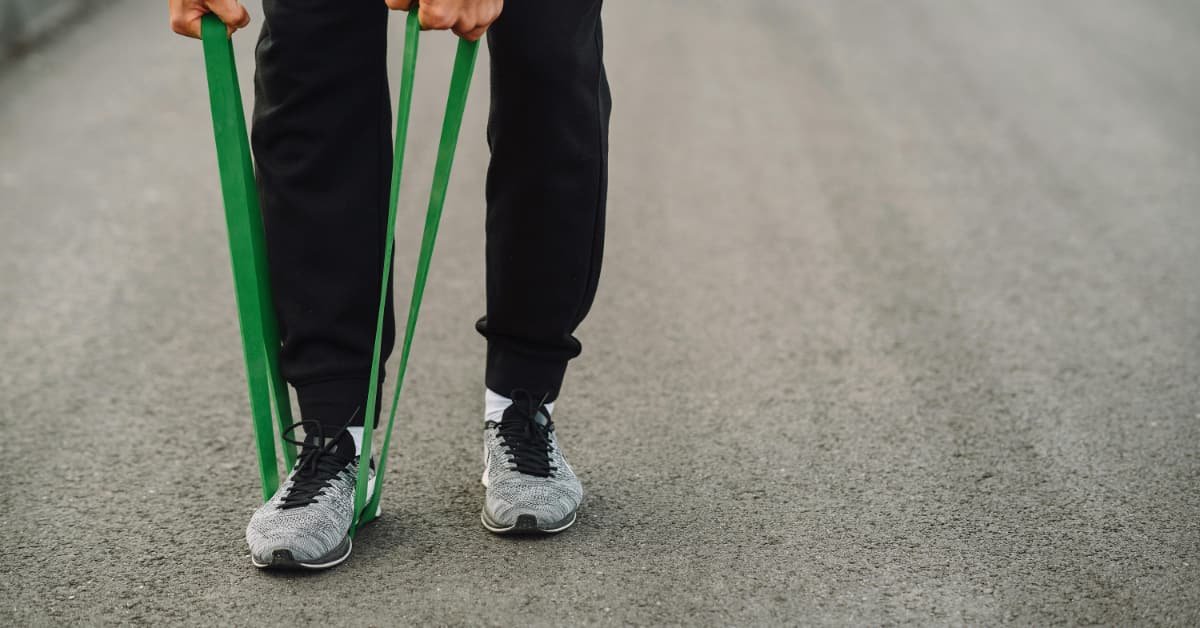
The honest answer is convenience. Dumbbells are effective, but they’re heavy, they’re expensive to collect in a full set and they don’t travel. A set of tube bands with handles weighs almost nothing, rolls up into a corner of your bag and works anywhere you have enough space to stand with your arms extended.
For someone over 40 who travels, that portability changes the equation entirely. The biggest threat to progress at this age isn’t a bad workout – it’s a missed week. Then another missed week. Then a month goes by and the habit is gone. I wrote about starting strength training at 40 and the single biggest lesson was consistency over intensity. Bands made consistency possible when life got unpredictable.
What I Actually Did With Them
I kept it simple. Tube bands with handles at a moderate resistance level. I focused on four areas: biceps, triceps, shoulders and chest.
A typical session looked something like this.
Bicep curls – standing on the band, curling both handles up. Three sets of 12 to 15 reps. The constant tension through the full range of motion felt different from dumbbells in a way I didn’t expect. There’s no dead spot at the bottom where you can rest – the band is pulling the entire time.
Tricep extensions – anchoring the band overhead (a closed door works) and pressing down. Three sets of 12 to 15. This one lit up my triceps more than I thought a band could.
Shoulder presses – standing on the band and pressing the handles overhead. Three sets of 10 to 12. The resistance increases as you extend, which means the hardest part of the press is at the top where your muscles are most contracted.
Chest presses – band behind my back, pressing forward at chest height. Three sets of 12 to 15. Surprisingly effective for something that doesn’t involve a bench.
The whole routine took about 20 to 25 minutes. I did it three to four days a week – sometimes in my living room, sometimes in a hotel, once in an airport lounge during a long layover (with the door anchor on a bathroom door, which got me a few looks).
What Surprised Me
I went into this assuming bands were a compromise. A lesser version of what I’d been doing with dumbbells. The results told a different story.
Within about three to four weeks of consistent use, I started noticing visible changes in my arms and shoulders. Muscle definition I hadn’t expected. The kind of thing where you catch your reflection and think, “Huh. That’s different.”
The reason bands work differently comes down to something called progressive resistance. With a dumbbell, the weight stays the same throughout the movement. With a band, the resistance increases as you stretch it further. That means the hardest point of each rep is where your muscle is at its strongest and most contracted. Your muscles are under tension for longer per rep, which drives a different kind of stimulus.
I also noticed that my joints felt better during band work than they did with heavier dumbbells. There’s less load on the wrists and elbows because the resistance is elastic rather than gravitational. For someone over 40 dealing with the occasional stiff joint, that matters. Bodyweight exercises are great for the same reason – lower joint stress, higher consistency.
Bands Didn’t Replace Dumbbells. They Added to Them.
Once I had the band routine locked in and travelling was no longer an excuse to skip training, I brought dumbbells back into the mix at home.
Now I use both. Dumbbells on days when I’m home and have time for a fuller session. Bands when I’m travelling, short on time or want to add extra volume without beating up my joints. The two complement each other well because they load muscles differently – dumbbells are hardest at the midpoint of the movement, bands are hardest at the end.
If you’re losing muscle after 40 and struggling to stay consistent with any single approach, having two options removes the “I don’t have my equipment” excuse entirely. You always have your equipment. It’s in your suitcase.
Who Bands Work Best For
Resistance bands aren’t a magic solution. But they’re a particularly good fit for a few specific situations after 40.
If you travel frequently and your routine keeps getting interrupted, bands solve that problem immediately. If you’ve been doing bodyweight exercises and want to add resistance without investing in a full set of weights, bands are the cheapest and most space-efficient step up. If you have joint issues that make heavy dumbbells uncomfortable, the elastic resistance is noticeably easier on your tendons and connective tissue.
And if you’ve been putting off strength training entirely because the idea of a gym or a home gym setup feels like too much – a $20 set of tube bands and a door anchor might be the easiest way to start. The barrier is so low it almost feels like cheating.
What I’d Tell Someone Considering the Switch
Get tube bands with handles, not just flat loop bands. The handles make upper-body work far more practical and comfortable for exercises like presses, curls and extensions. A door anchor is also worth having – it opens up a range of pulling and pressing angles you can’t get freestanding.
Start with moderate resistance. The instinct is to go heavy, but bands feel different from weights and you need time to learn the movement patterns. You can always double up bands or move to a heavier set once the moderate one feels easy.
Keep the routine short. Twenty to thirty minutes, three to four days a week, focused on compound and isolation movements for your upper body. You can add lower-body band work too (squats, lateral walks, glute bridges), but if you’re already walking regularly, your legs are getting stimulus from that.
Track your reps. Because you can’t see the weight going up the way you can with dumbbells, it’s easy to lose a sense of progress. If you were doing 12 reps last week and you’re doing 15 this week at the same resistance, that’s growth. Write it down.
The Bigger Point
The equipment matters less than the consistency. I’ve seen results from dumbbells, from bands, from bodyweight work. The common thread in every case was showing up regularly and progressively doing a little more than before.
Resistance bands just made it easier to show up. And after 40, anything that removes a barrier between you and the workout is worth trying.
For the full picture on strength training after 40, read the complete guide.
This article is based on personal experience and is not a substitute for professional fitness advice. If you have joint injuries, mobility limitations or other health concerns, consult a healthcare professional or qualified trainer before starting a new exercise routine.