How Weight Loss After 40 Can Improve Blood Sugar
Roughly 1 in 3 men over 40 have prediabetes. Most of them don’t know it. There are no obvious symptoms in the early stages – just gradually worsening insulin resistance running quietly in the background, pushing fasting blood sugar higher year after year until a routine blood test flags it.
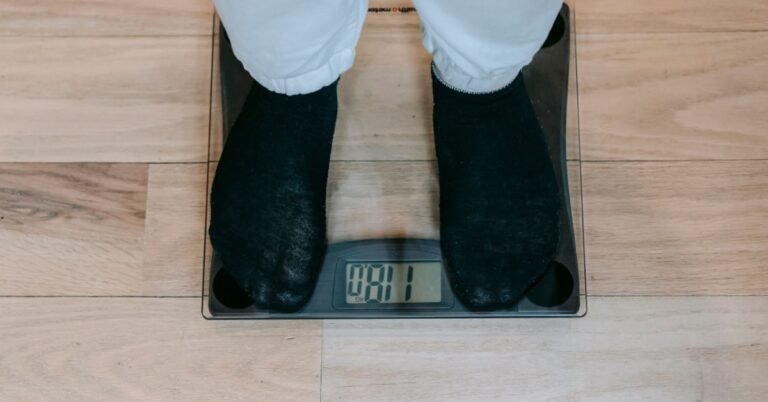
The connection between weight and blood sugar after 40 is direct, measurable and more responsive to intervention than most people assume. Moderate weight loss – even 5 to 7% of body weight – can meaningfully improve insulin sensitivity and reduce the risk of progressing from prediabetes to type 2 diabetes.
This isn’t a medical guide. It’s a practical explanation of how the relationship between weight, blood sugar and diabetes risk works after 40, and what the evidence says about using weight loss to improve it.
How Blood Sugar Regulation Works (The Short Version)
When you eat carbohydrates, your body breaks them down into glucose, which enters your bloodstream. Your pancreas responds by releasing insulin – a hormone that acts like a key, unlocking your cells so they can absorb the glucose and use it for energy.
In a healthy system, this process keeps blood sugar within a narrow range. You eat, blood sugar rises, insulin is released, cells absorb the glucose, blood sugar comes back down. Efficient and well-regulated.
The problem starts when cells become less responsive to insulin. The key still turns, but the lock is stiff. Your pancreas compensates by producing more insulin. For a while, this brute-force approach works – blood sugar stays roughly normal because there’s enough extra insulin to push glucose into reluctant cells.
But the pancreas can only compensate for so long. Eventually, it can’t keep up with the demand. Blood sugar starts rising and staying elevated. This is insulin resistance, and it’s the precursor to prediabetes and eventually type 2 diabetes.
Why Men Over 40 Are at Higher Risk
Several age-related changes converge to increase diabetes risk after 40.
Muscle mass declines. Skeletal muscle is the primary site for glucose disposal – it absorbs the majority of blood sugar after a meal. As you lose muscle after 40, you lose glucose storage capacity. Less muscle means fewer places for blood sugar to go, which contributes to elevated levels.
Visceral fat increases. Visceral fat – the fat packed around your organs – is particularly harmful for blood sugar regulation. It releases inflammatory molecules and free fatty acids that directly interfere with insulin signalling. More visceral fat means more insulin resistance, regardless of your overall body weight.
Metabolic rate slows. Your metabolism changes after 40 partly because of reduced muscle mass and partly because of hormonal shifts. A slower metabolic rate with the same dietary habits leads to gradual weight gain, which further worsens insulin resistance.
Physical activity typically drops. Less movement means less glucose is being used by muscles during the day. Sedentary muscle tissue becomes less insulin-sensitive than active muscle tissue. The combination of less movement and less muscle creates a compounding effect on blood sugar regulation.
Sleep quality declines. Poor sleep after 40 directly worsens insulin sensitivity. Even a single night of short sleep can reduce insulin sensitivity by 25 to 30% the next day. Chronic sleep disruption is an independent risk factor for type 2 diabetes.
These factors don’t operate in isolation. They form a cycle – visceral fat increases inflammation, which worsens insulin resistance, which promotes more fat storage, which further impairs blood sugar control. Weight loss is one of the most effective ways to interrupt that cycle.
What the Research Says About Weight Loss and Blood Sugar
The evidence here is strong and consistent.
The landmark Diabetes Prevention Program study found that participants who lost 5 to 7% of body weight through moderate lifestyle changes (diet and 150 minutes of exercise per week) reduced their risk of developing type 2 diabetes by 58%. For participants over 60, the reduction was 71%. That effect was greater than medication alone.
For a man weighing 90 kg (198 lbs), 5 to 7% means losing 4.5 to 6.3 kg (10 to 14 lbs). That’s a realistic target achievable within two to three months through moderate dietary changes and regular movement.
The improvements begin quickly. Studies show measurable improvements in fasting blood sugar and insulin sensitivity within the first few weeks of weight loss – often before the person has reached their goal weight. The metabolic benefit starts accruing from the first kilogram.
Importantly, where the weight comes from matters. Losing visceral fat produces a disproportionately large improvement in insulin sensitivity compared to losing the same amount of subcutaneous fat. This is relevant because visceral fat is typically the first type your body burns during a calorie deficit, especially when combined with regular exercise.
How Weight Loss Improves Insulin Sensitivity
The mechanism works through several pathways simultaneously.
Reduced visceral fat lowers inflammation. Less visceral fat means fewer inflammatory cytokines circulating in your blood. Lower inflammation allows insulin receptors on your cells to function more normally. The “lock” becomes less stiff.
Fat cells shrink and behave better. Enlarged fat cells are less metabolically healthy than smaller ones. They produce more inflammatory compounds and are more resistant to insulin. When you lose weight, existing fat cells shrink. Smaller fat cells are more insulin-sensitive and produce fewer inflammatory signals.
Liver fat decreases. Many men over 40 carry excess fat in their liver (non-alcoholic fatty liver disease) without knowing it. Liver fat directly impairs the liver’s ability to regulate blood sugar. Even moderate weight loss reduces liver fat significantly – often by 30 to 40% within the first few months.
Muscle becomes more insulin-sensitive with exercise. When you combine weight loss with physical activity, your muscle cells become more responsive to insulin. A single bout of exercise can improve muscle insulin sensitivity for 24 to 48 hours afterward. Regular exercise creates a sustained improvement.
Walking: The Underrated Blood Sugar Tool
Of all the exercise options available, daily walking may be the most practical and evidence-supported for blood sugar management after 40.
A 30-minute brisk walk after a meal can reduce post-meal blood sugar spikes by 30 to 50%. Your muscles are actively contracting and absorbing glucose during the walk, which takes pressure off insulin to do the job alone. It’s one of the most direct, immediate interventions available.
Consistent daily walking also improves baseline insulin sensitivity over time. Studies on men with prediabetes show that walking 30 to 45 minutes most days of the week, sustained over three to six months, produces fasting blood sugar improvements comparable to first-line diabetes medications in some cases.
The accessibility is the point. You don’t need a gym, equipment or a programme. A pair of shoes and a regular route is enough. Walking after meals is particularly effective because it targets the exact window when blood sugar is highest.
If you’re concerned about blood sugar after 40 and currently doing nothing, a daily post-meal walk is the highest-impact starting point available.
What to Eat for Better Blood Sugar
Diet affects blood sugar through two main channels: the total calories you consume (which drives weight gain or loss) and the composition of those calories (which determines how sharply blood sugar rises after each meal).
Protein stabilises blood sugar. Protein slows the absorption of glucose from a meal and stimulates a more moderate insulin response. Including adequate protein at every meal – 25 to 40 grams per serving – is one of the most effective dietary strategies for blood sugar control. Building reliable high-protein meals into your rotation makes this practical rather than theoretical.
Fibre flattens the glucose curve. Soluble fibre (found in oats, legumes, vegetables and fruit) forms a gel in your digestive tract that slows carbohydrate absorption. A meal with 8 to 10 grams of fibre will produce a lower and more gradual blood sugar rise than the same meal without it.
Refined carbohydrates and sugar cause sharp spikes. White bread, sugary drinks, processed snacks and anything made with refined flour breaks down into glucose rapidly, overwhelming insulin’s ability to manage the surge. Reducing sugar intake is one of the fastest ways to improve blood sugar stability – many men notice a difference within the first week.
Meal timing and portion size matter. Eating large, carb-heavy meals produces larger blood sugar spikes than smaller, more frequent meals. Spreading your intake across three to four balanced meals instead of two large ones keeps blood sugar more stable throughout the day.
The Muscle Connection
This is the piece that pure weight-loss advice often misses. Losing weight through diet alone, without preserving or building muscle, can actually worsen your blood sugar picture long-term.
Muscle tissue is your body’s largest glucose sink. Every kilogram of muscle you carry is actively helping to regulate blood sugar by absorbing glucose from your bloodstream. When you lose weight through aggressive calorie restriction without resistance training, you lose both fat and muscle. Less muscle means less glucose disposal capacity, which can leave you lighter on the scale but not significantly more insulin-sensitive.
The solution is combining your weight loss approach with regular strength training – even basic bodyweight exercises two to three days a week. This preserves existing muscle while you’re in a calorie deficit and sends a clear signal to your body that muscle tissue should be retained while fat is burned.
The combination of walking, moderate calorie reduction, adequate protein and basic strength training is the most effective lifestyle approach for improving blood sugar regulation after 40. Each component addresses a different part of the problem, and together they produce results that far exceed any single intervention.
Getting a Baseline
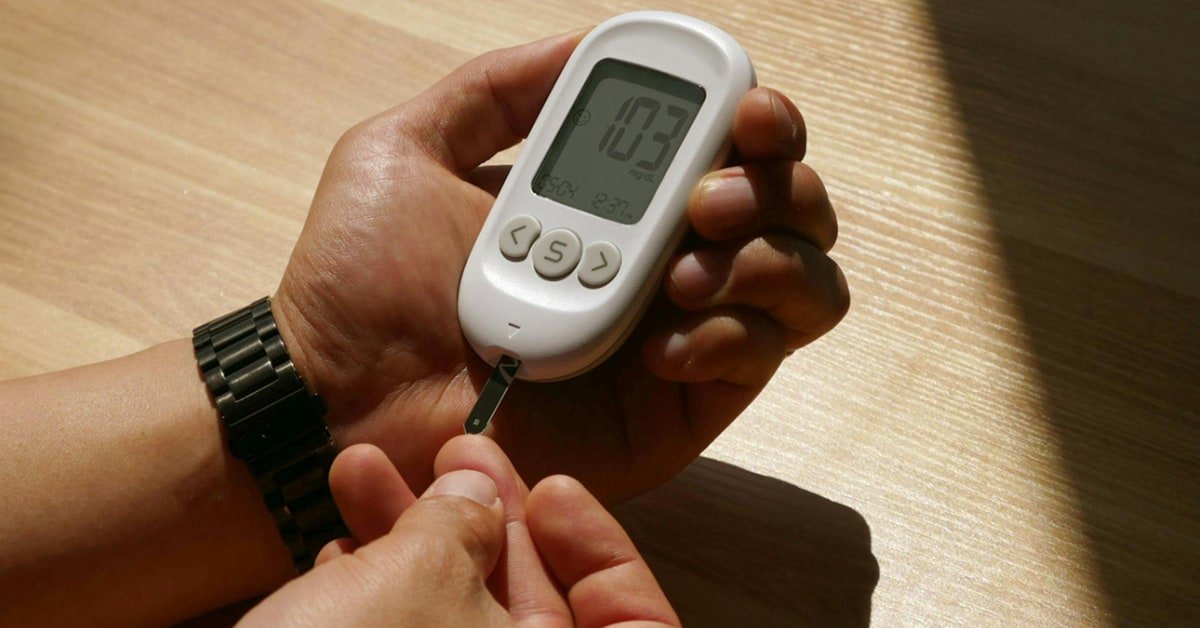
If you’re over 40, carrying excess weight around your midsection or have a family history of diabetes, it’s worth asking your doctor for a simple blood test. A fasting blood sugar and HbA1c check takes minutes and gives you a clear picture of where you stand.
You don’t need to interpret the numbers yourself. Your doctor can tell you whether you’re in a normal range, trending toward prediabetes or need closer monitoring. What matters is knowing your starting point so you can track whether lifestyle changes are making a measurable difference.
Most men over 40 have never had these checked. One conversation with your GP is all it takes.
A Practical Starting Point
If you’re over 40, carrying excess weight and concerned about blood sugar, the most effective approach combines a few sustainable changes rather than one dramatic overhaul.
Walk after meals – even 15 to 20 minutes makes a measurable difference. Include protein with every meal to stabilise blood sugar. Reduce refined sugar and processed carbohydrates. Aim for a moderate weight loss target of 2 to 4 kg (4.4 to 8.8 lbs) per month. Add basic strength training two to three days a week to protect muscle mass.
Build these habits gradually – one at a time if needed. The metabolic benefits begin accumulating from the first week and compound over months. The goal is to create conditions where your body manages blood sugar more efficiently on its own – and the evidence says that’s achievable for most men over 40 through exactly these kinds of changes.
For the full picture on weight loss after 40, read the complete guide.
Frequently Asked Questions
How much weight do you need to lose to improve blood sugar after 40?
Losing just 5 to 7% of body weight – roughly 4.5 to 6 kg (10 to 14 lbs) for most men – can meaningfully improve insulin sensitivity and reduce diabetes risk. Measurable improvements often begin within the first few weeks.
Can walking lower blood sugar after 40?
Yes. A 30-minute brisk walk after a meal can reduce the post-meal blood sugar spike by 30 to 50%. Daily walking sustained over months improves baseline insulin sensitivity comparable to some medications in studies on prediabetic men.
Can lifestyle changes reduce diabetes risk after 40?
Research suggests they can, significantly. Studies show that moderate weight loss combined with regular physical activity can reduce the risk of progressing from prediabetes to type 2 diabetes by more than half. The combination of walking, better nutrition and strength training appears to produce the strongest results. If you’re concerned about your blood sugar levels, talk to your doctor about what changes make sense for your situation.
This article is for general information only and does not constitute medical advice. If you have been diagnosed with prediabetes or type 2 diabetes, are taking blood sugar medication or have a family history of diabetes, consult your doctor before making changes to your diet or exercise routine. Blood sugar management should be monitored by a healthcare professional.