How I Stay on Track When Eating Out After 40
Eating out used to undo a whole week of effort.
I’d walk into a restaurant hungry, order too much, eat all of it and leave feeling stuffed and vaguely guilty. The portion sizes didn’t help. Neither did ordering on an empty stomach, which meant everything on the menu looked essential. By the time the bill came, I’d consumed more calories in one sitting than I’d normally eat in two meals.
This started bothering me more after I began walking consistently and paying attention to my weight. I was putting real effort into moving more and eating better during the week. Watching all of that get neutralised by a single Saturday dinner felt wasteful. Not in a guilt-driven way. More like a practical one. Why put in the work if you’re going to erase it every weekend?
So I started making small adjustments. Not rules. Just a few habits that let me enjoy eating out without feeling like I’d blown everything by Monday.
The water-before-ordering habit
This is the simplest change I made and probably the most effective.
I drink a full glass of water before I even look at the menu. Sometimes two. The reason is straightforward: thirst and mild dehydration feel a lot like hunger, especially when you’re sitting in a restaurant surrounded by food smells and a menu full of options. If I sit down hungry and dehydrated, I over-order. Every time.
Water takes the edge off that initial urgency. I still order a proper meal, but the impulse to add a starter, extra sides and bread because “I’m starving” settles down. The decisions I make after a glass of water are consistently better than the ones I’d make without it.
Protein first, always
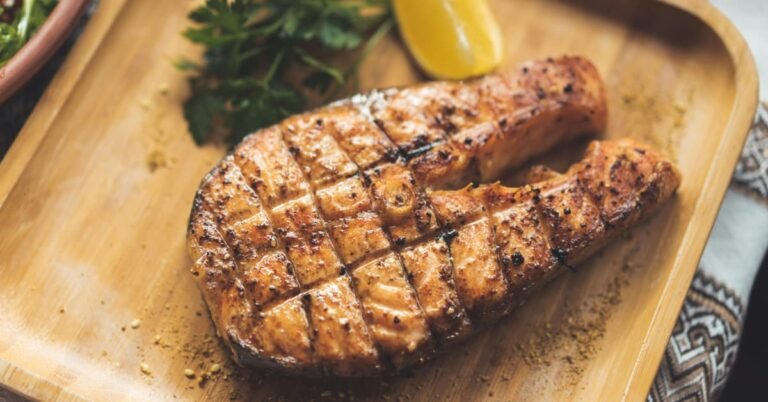
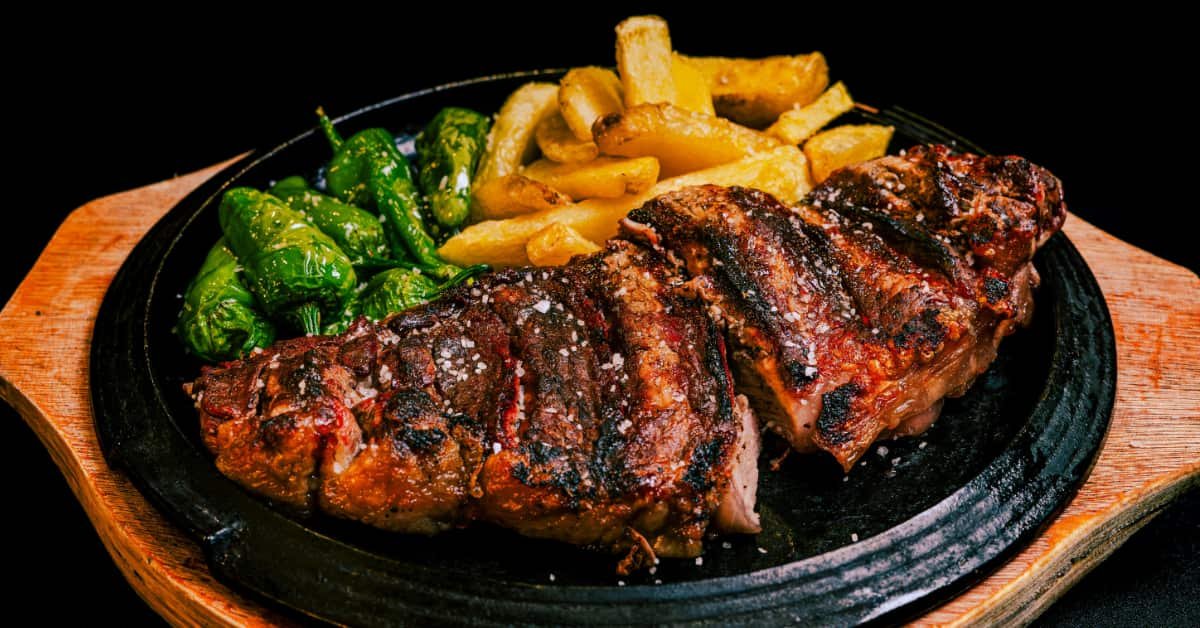
When I scan a menu now, I look for the protein before anything else. Grilled chicken, grilled fish, a steak if it’s that kind of place. That’s my anchor. Everything else builds around it.
This came from learning about how much protein my body actually needs and realising that most restaurant meals are heavy on carbohydrates and fat but surprisingly light on protein. A pasta dish or a burger with a small patty and a large bun fills you up temporarily but doesn’t keep you satisfied the way a proper protein portion does.
Grilled over fried became my default. The calorie difference is significant and the taste difference, honestly, isn’t. I used to order fried chicken or battered fish without thinking. Now I pick the grilled version almost automatically. It’s not a sacrifice. It’s just a better habit.
The sharing strategy
This one changed how my family eats out together, and everyone benefits.
If a dish is carbohydrate-heavy (rice, pasta, noodles, pizza), I order it to share rather than having a full portion to myself. The family splits it, and everyone gets a taste without anyone consuming a huge serving. My individual intake drops significantly, and nobody feels like they missed out.
This works especially well with sides. Instead of each person ordering their own fries or bread, one portion for the table is enough. The psychology of it matters too. Having some on your plate feels normal. Having an entire portion to yourself is where the overconsumption kicks in.
Dessert without the full commitment
I don’t order desserts anymore. But I don’t skip them entirely either.
My family usually orders something. I’ll take a small bite or a couple of spoonfuls. Enough to taste it, not enough to add a meaningful calorie load. On occasions where I want something sweet, I’ll order fruit instead. Most restaurants have some option, even if it’s not on the dessert menu.
The shift here was realising that the first two bites of any dessert are the best part anyway. After that, you’re just eating to finish what’s on the plate. Letting go of the need to have my own full portion was easier than I expected once I stopped treating dessert as an entitlement and started treating it as an occasional taste.
I stopped counting every calorie (but I still know roughly where I stand)
When I first started paying attention to what I ate, I tracked everything. Every meal, every snack, every drink. That phase was valuable because it taught me what foods actually contain. The calorie density of sauces. How quickly rice adds up. How misleadingly light a fried appetiser feels compared to what it costs.
I don’t track every meal anymore when eating out. But that period of counting built an awareness I still carry. I can look at a plate and estimate roughly where it falls. A grilled chicken breast with vegetables is around 400-500 calories. A creamy pasta dish is probably 800-1000. A burger with fries can easily hit 1200.
That mental database means I don’t need an app open at the table. I just order with a rough sense of where the meal sits against my day, and adjust accordingly. If lunch was heavier, dinner is lighter. If I know we’re eating out Saturday night, I eat a bit less during the day. Nothing extreme. Just awareness.
The alcohol question
I’ve been working on reducing alcohol, and eating out is where that gets tested most. Restaurants are built around the assumption that you’ll drink. The menu, the pricing, the social setting, everything nudges you toward ordering a glass of something.
My approach has been practical rather than absolute. I avoid dinners where the main activity is drinking. When I eat out with family, I stick to water or something non-alcoholic. I don’t make a big deal of it. I just don’t order.
The calorie saving alone is meaningful. Two glasses of wine add 250-300 calories to a meal, plus they lower your resistance to overeating. Skipping them makes the rest of my food decisions easier to hold.
The mindset that makes it sustainable
The biggest change wasn’t any specific tactic. It was how I think about eating out.
I used to treat restaurant meals as a break from discipline. A cheat day. An exception. That framing made every meal out feel like a release valve, which meant I’d overdo it because who knows when the next “exception” would come.
Now I see eating out as part of the normal rhythm. It happens once or twice a week. It’s enjoyable. And it doesn’t need to be a departure from how I eat the rest of the time. When I pick grilled protein, share the heavy stuff, skip the full dessert and drink water, I’m still eating well. Just in a different setting.
That reframe removed the guilt entirely. I don’t sit there feeling restricted. I feel like someone who knows what works for his body and orders accordingly. And because I still eat well when I’m out, the progress I’m making with my weight and overall nutrition doesn’t reset every weekend.
Eating out is supposed to be enjoyable. It still is. I’ve just stopped letting it undo the work I put in the rest of the week.
For the full picture on nutrition after 40, read the complete guide.
This article is based on personal experience. If you have specific dietary concerns, food intolerances or are managing conditions like diabetes or high cholesterol, consult a healthcare professional or registered dietitian for guidance tailored to your needs.