I Walked Every Day for 3 Months After 40. Did I Lose Weight?
I started walking daily toward the end of my 39th year. I weighed about 82 kg (around 181 lbs) at the time and I was tired of feeling like my body was something I had to drag around rather than live in.
The plan was simple. Walk 3 km (roughly 1.9 miles) every day. See what happens.
Three months later, I had an answer. But the weight loss was only part of the story.
The Setup
I kept the routine fixed. Three kilometres, every day, at a pace that felt purposeful – I could still talk but I wouldn’t choose to. No fitness tracker obsession, no heart rate zones. Just a walk.
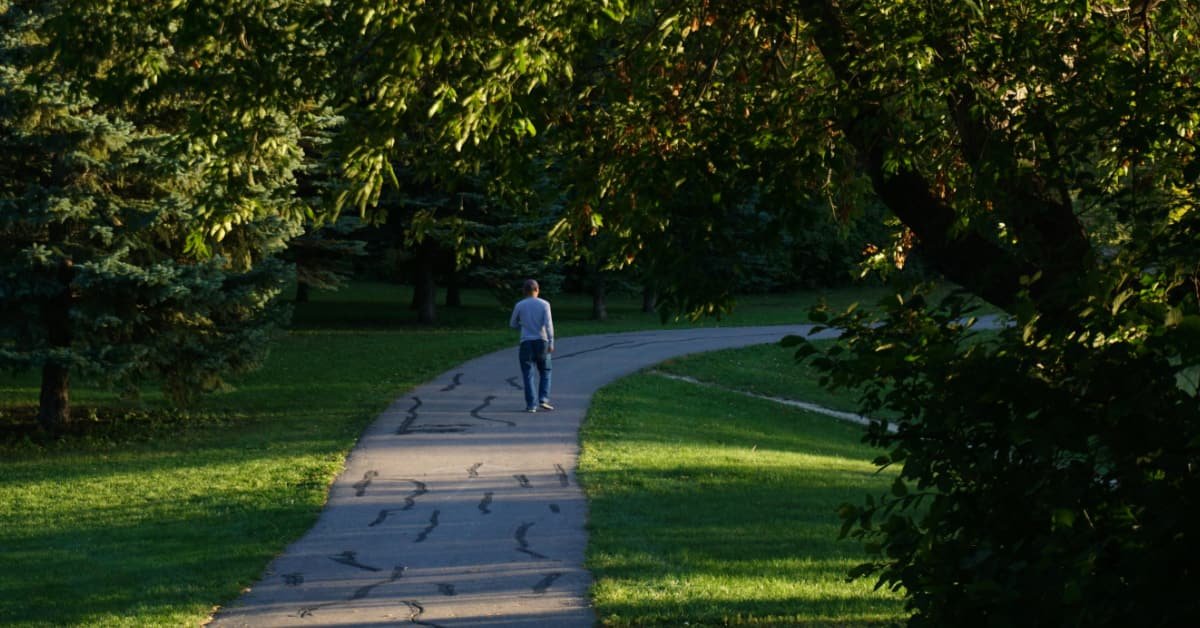
I had two or three routes I rotated through depending on the day and the season. During summer, I picked the one with the most shade. On quieter mornings, I’d take a route through a park. When I felt like changing things up, I’d walk one of my usual routes in reverse – same distance, different visual, different feel. Small thing, but it helped.
I walked most days. I missed a handful over the three months – early work mornings where the schedule wouldn’t bend, a few days where the weather was genuinely bad. I’d estimate I walked about 80 of the 90 days. Close enough to daily that the habit held.
Month One: The Adjustment
The first two weeks were the hardest to sustain mentally. The walk itself wasn’t physically brutal – 3 km is manageable for most people. The challenge was boredom. Walking the same routes, at the same time, day after day. The novelty wore off fast.
I pushed through it mostly because I’d committed to the experiment and wanted to see it through. By week three, something shifted. The walk stopped feeling like a task and started feeling like a break. A gap in the day where I didn’t have to think about anything.
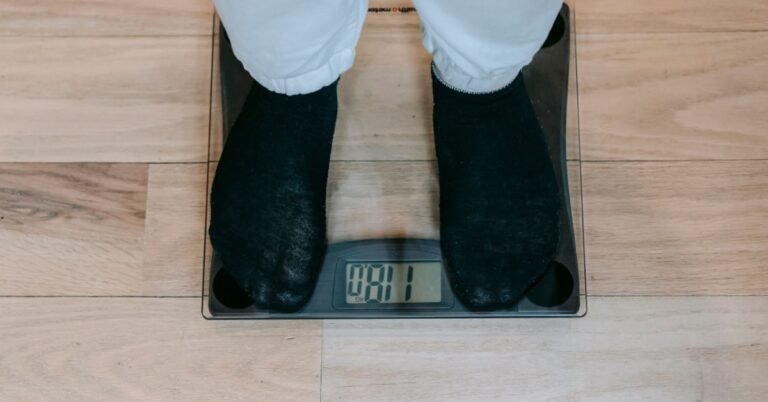
On the scale, I dropped about 1.5 kg (roughly 3.3 lbs) in the first month. Some of that was likely water weight and the effect of eating more consciously – because once I started walking daily, my overall awareness about food improved. I wasn’t following a strict diet, but I was reaching for better options more often.
Month Two: Things Started to Feel Different
The weight continued coming down – another 1 to 1.5 kg (about 2 to 3 lbs). The loss was gradual, which is roughly what you’d expect from a moderate daily activity change without extreme calorie restriction.
But the bigger changes weren’t on the scale.
My back pain – something I’d been carrying for over a year – reduced significantly. I didn’t connect it to the walking at first, but looking back, the timing lined up perfectly. The daily movement was loosening my hips and lower back in a way that sitting all day never would. Walking is genuinely easier on your joints than most people give it credit for, and my body was proving it.
Breathing became easier. I noticed it while climbing stairs and walking uphill – efforts that used to leave me winded felt ordinary. My cardiovascular fitness was improving quietly in the background.
I also added strength training and resistance band work during this period. The walking had built enough momentum and energy that adding more activity felt natural rather than forced. I wrote about building habits that stick after 40 separately, but this experience taught me the core lesson: start with one thing and let the rest follow.
Month Three: The Compound Effect
By the end of three months, I’d lost about 4 to 5 kg total (roughly 9 to 11 lbs). I went from about 82 kg to around 77 kg (181 lbs to about 170 lbs).
Was it dramatic? By transformation-photo standards, absolutely not. But it was real and it was sustainable. I wasn’t starving. I wasn’t grinding through intense workouts I hated. I was walking 3 km a day and eating better because my body was asking for better fuel.
The weight loss, honestly, wasn’t the thing I cared about most by month three. What mattered was how I felt moving through the day. I was lighter on my feet. Carrying myself – literally walking around, standing up, getting through a full day – stopped feeling like a burden. The heaviness I’d been living with for years had lifted, and I didn’t fully appreciate how much it had been weighing on me (in every sense) until it was partially gone.
So, Did Walking Alone Cause the Weight Loss?
I want to be honest about this. Walking was the foundation, but it wasn’t the only variable.
During these three months, my overall eating improved – more protein, fewer processed meals, less mindless snacking. That happened organically because the walking made me more conscious about my body. I also started strength training, which likely contributed to some body composition changes beyond what the scale showed.
Would walking alone, with zero dietary changes, have produced the same result? Probably less. I’ve written before about whether walking is enough to lose fat and the honest answer is: it depends on what else you’re eating and doing. A 3 km walk burns roughly 150 to 200 calories. That’s meaningful over 90 days, but it’s easy to eat that back in five minutes if your diet doesn’t change at all.
What walking did, more than anything, was create the conditions for everything else to improve. It was the domino that tipped the rest.
What I’d Tell Someone Starting the Same Experiment
Pick a distance you can do every day without it feeling heroic. Three kilometres worked for me. For you it might be 2 km (1.2 miles) or 4 km (2.5 miles). The distance matters less than the consistency. Getting your daily steps up gradually is more sustainable than targeting a big number from day one.
Have multiple routes. This sounds minor but it saves you from the boredom that kills the habit in week two. Different routes, different directions, different times of day – anything that keeps the routine from feeling like a rut.
Walk at a pace that feels purposeful. A stroll is fine for recovery, but if fat loss is part of your goal, a brisk pace where your heart rate is slightly elevated makes a measurable difference over three months.
Don’t obsess over the scale weekly. I weighed myself roughly every two weeks. The daily fluctuations are meaningless and they’ll discourage you during a process that works on a longer timeline. Your metabolism responds to sustained, consistent effort – it doesn’t reward impatience.
Accept that some days will be boring. Walk anyway. The days I least wanted to go were often the days I felt best afterward. Boredom is temporary. The results compound.
Three Months Later
I’m still walking. It stopped being an experiment a long time ago and became part of how my day works. The weight continued to come down gradually beyond the three months, but more importantly, my body feels like something I can trust again rather than something I’m fighting.
If you’re considering trying daily walking, the question isn’t whether it works. It does. The question is whether you’ll stay with it long enough to let it. Three months is a good test. You can explore more walking guides and routines to find the approach that fits your life.
Three kilometres a day. That’s where it started.
For the full picture on weight loss after 40, read the complete guide.
This article is based on personal experience and is not a substitute for professional medical or dietary advice. If you have joint issues, cardiovascular concerns or significant weight to lose, consult a healthcare professional before starting a new exercise routine.