Is Walking Safe for Knees and Joints After 40?
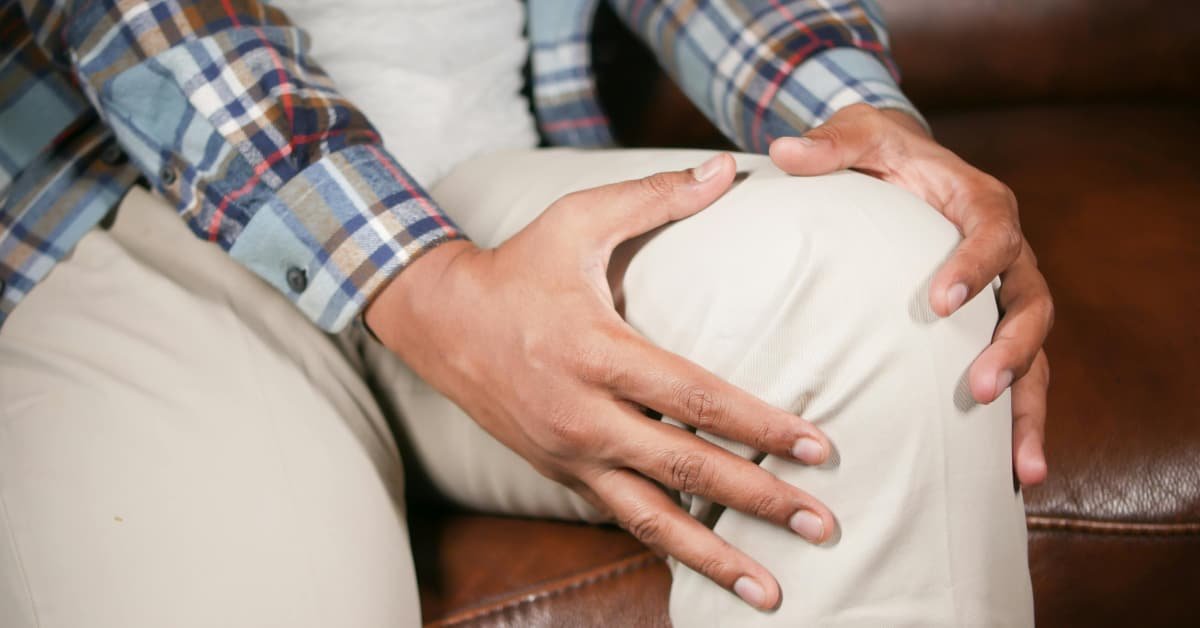
If your knees ache when you get out of a chair or your ankles feel stiff after sitting for an hour, the idea of walking regularly might seem risky. You might wonder if you’d be making things worse. If walking hurts a little now, won’t doing more of it cause more damage?
It’s a reasonable concern. And it’s one that keeps a lot of men over 40 from doing the one exercise that could actually help them the most.
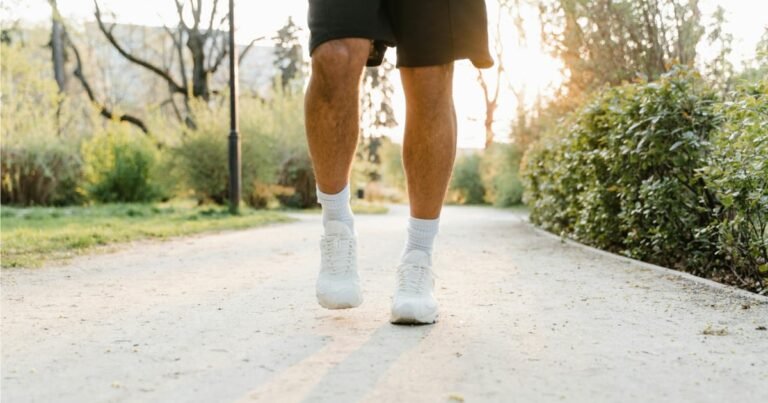
The short answer is yes – walking is safe for your knees and joints after 40. For most men, it’s not just safe. It’s beneficial. But the way you start and how you build up matters.
What the Research Actually Says
There’s a common belief that walking wears down your joints over time. That every step grinds away at the cartilage in your knees. It sounds logical, but research doesn’t support it.
A study published in Arthritis and Rheumatology looked at the walking habits of more than 1,200 people with knee osteoarthritis. They found that those who walked regularly for exercise were significantly less likely to develop knee pain compared to those who didn’t walk. Even among people who already had symptoms like pain and stiffness, regular walkers showed less structural damage over time.
Walking increases the circulation of synovial fluid – the thick liquid that lubricates your joints. When you move, this fluid gets pushed into the cartilage, keeping it nourished and flexible. When you sit all day, the joint dries out, stiffens and becomes more painful when you do eventually move.
In simple terms, your joints need movement to stay healthy. Not moving is what causes them to deteriorate faster.
Why Joints Feel Stiff After 40
Before you lace up, it helps to understand why your knees and joints feel different now compared to your 20s and 30s.
Cartilage naturally thins with age. This is normal and happens to everyone. It doesn’t mean you have arthritis or that you’re heading toward a joint replacement. It just means the cushioning between your bones is slightly less than it used to be, which can cause stiffness, particularly in the morning or after sitting for long periods.
Synovial fluid production can decrease over time. Less fluid means less lubrication, which means more friction. This is partly why the first few minutes of a walk might feel creaky but things loosen up after a while – your body is literally warming up the joint.
Muscle weakness around the joints makes things worse. The muscles around your knees – particularly your quadriceps and hamstrings – act as shock absorbers. When these muscles weaken from inactivity (which is common after 40), your joints take more of the impact. This is why strength training alongside walking is a smart combination.
Inflammation can increase with age, particularly if you’re carrying extra weight. Each additional kilogram of body weight puts roughly four times the force on your knee joints during walking. Losing even a small amount of excess body fat can reduce knee stress significantly.
How to Start Walking If Your Joints Are Already Sore
If you’re dealing with knee or joint discomfort, jumping into 45-minute walks on day one is a bad idea. Starting too aggressively is the fastest way to confirm your fear that walking makes things worse.
Start with 10 to 15 minutes on flat ground. Avoid hills, stairs and uneven terrain at first. Walk at a pace that feels comfortable, not brisk. The goal for the first two weeks is simply to move your joints through a full range of motion without increasing your pain.
Walk on softer surfaces when possible. Grass, packed trails or rubber tracks are easier on joints than concrete or asphalt. If you have access to a park or sports ground, use it. The difference in impact is noticeable, especially for knees.
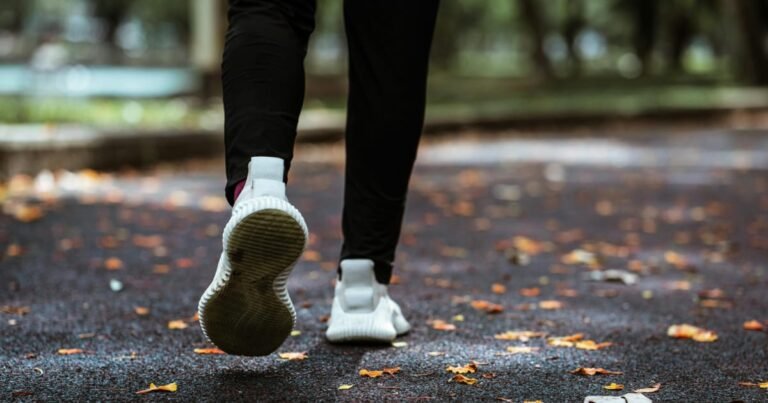
Wear proper footwear. Worn-out shoes with no cushioning transfer more impact directly to your joints. You don’t need expensive running shoes. A comfortable pair of walking shoes with decent arch support and cushioning is enough. Replace them when the soles start wearing unevenly.
Allow a warm-up period. The first 3 to 5 minutes of any walk will likely feel the stiffest. This is normal. Your joints need time to warm up and distribute synovial fluid. Don’t judge how the walk will feel based on the first few minutes. Most men find that stiffness eases significantly after 5 to 10 minutes of steady movement.
Increase gradually. Add 5 minutes per week. If your joints respond well, keep adding. If you feel increased pain the day after a walk, hold at your current duration for another week before progressing. The goal is to build up to 30 to 45 minutes over a few weeks, not to get there immediately.
What “Normal” Discomfort Looks Like vs. Warning Signs
Some discomfort during and after walking is normal when you’re starting out, especially if you’ve been sedentary. Knowing the difference between normal adjustment and something that needs attention is important.
Normal and expected:
- Mild stiffness in the first few minutes that eases as you warm up
- Slight muscle soreness in your calves or thighs the day after (this is your muscles adapting, not joint damage)
- A feeling of tiredness in your legs after longer walks
- Temporary knee achiness that fades within a few hours
Talk to a doctor if you experience:
- Sharp, sudden pain in a joint during walking
- Swelling in a knee or ankle that doesn’t go down within 24 hours
- Pain that worsens over several days despite resting
- Locking or catching sensations in a joint
- Pain that wakes you up at night
The difference between normal adaptation and a problem is usually about duration and intensity. Mild discomfort that fades is your body adjusting. Pain that persists or worsens is your body telling you something needs attention.
Walking Surfaces and Their Impact on Joints
Not all walking surfaces treat your joints equally.
Best for joints: Grass, packed dirt trails, rubber athletic tracks. These surfaces absorb more impact and reduce the force transmitted to your knees and ankles.
Moderate: Tarmac and asphalt roads. Harder than natural surfaces but smoother and more predictable than concrete. Most pavements fall into this category.
Hardest on joints: Concrete sidewalks and tiled floors. Concrete has virtually no give, so your joints absorb the full impact of every step. If you’re walking primarily on concrete, good footwear becomes even more important.
Uneven surfaces (cobblestones, rocky trails): These challenge your balance and ankle stability, which can be beneficial for strengthening but risky if your joints are already sore. Save uneven terrain for later once your joints have adapted to regular flat walking.
How Walking Protects Your Joints Long-Term
Walking doesn’t just avoid damaging your joints. It actively protects them in several ways.
Strengthens supporting muscles. Regular walking builds the muscles around your knees, hips and ankles. Stronger muscles absorb more shock, reducing the load on the joint itself.
Maintains cartilage health. Movement keeps synovial fluid circulating through the joint, nourishing the cartilage and preventing it from breaking down. Sedentary joints lose cartilage faster than active ones.
Supports healthy weight. Walking burns calories and supports fat loss over time, which directly reduces the mechanical stress on your knee joints. Even a few kilograms of weight loss can make a noticeable difference in how your knees feel.
Reduces inflammation. Regular moderate exercise like walking has anti-inflammatory effects throughout the body. Since inflammation is a driver of joint pain after 40, this creates a positive cycle – more walking means less inflammation means less pain means more walking.
Improves bone density. Walking is a weight-bearing exercise that helps maintain bone strength. This matters increasingly after 40 as bone density naturally begins to decline.
When Walking Alone Isn’t Enough
Walking is excellent for joint health, but it’s not a complete solution on its own. If you want to protect your joints long-term, adding a few complementary habits makes a significant difference.
Strengthening exercises for the muscles around your knees are the most important addition. Simple movements like bodyweight squats, step-ups and leg raises can be done at home and directly support your joints during walking.
Stretching after walks helps maintain flexibility in the muscles and tendons around your joints. Tight calves, hamstrings or hip flexors can alter your walking mechanics and put extra stress on your knees. A 5-minute stretch after each walk is enough.
Maintaining a healthy weight reduces mechanical stress on joints. If you’re carrying extra weight, the combination of walking and better nutrition is one of the most effective ways to reduce joint pain without medication.
Getting enough sleep matters for joint recovery too. Your body does most of its repair work during deep sleep, including repairing the micro-stresses that walking places on joints and connective tissue.
The Bottom Line
Walking is not just safe for your knees and joints after 40. It’s one of the best things you can do for them. The research consistently shows that regular walkers have less joint pain, better cartilage health and stronger supporting muscles than people who avoid movement out of fear of damage.
The key is starting slowly, building gradually, wearing decent shoes and listening to your body. Some initial stiffness is normal. Persistent or worsening pain is a sign to get checked.
Your joints were designed to move. After 40, they need movement more than ever. Walking gives them exactly what they need – consistent, low-impact motion that keeps them lubricated, supported and functional for years to come.
For the full picture on walking after 40, read the complete guide.
Frequently Asked Questions
Does walking damage your knees after 40?
No. Research shows regular walkers have less knee pain and less cartilage damage over time than people who avoid walking.
What is the best surface to walk on for bad knees?
Grass, packed dirt trails and rubber athletic tracks are easiest on joints. Concrete is the hardest. Good footwear helps on any surface.
How long should I walk if my knees are stiff?
Start with 10 to 15 minutes on flat ground. Add 5 minutes per week as your joints adapt. Build up to 30 to 45 minutes gradually.
This article is for general information only. If you have diagnosed joint conditions, recent injuries, or persistent joint pain, consult a healthcare professional before starting a new exercise routine.