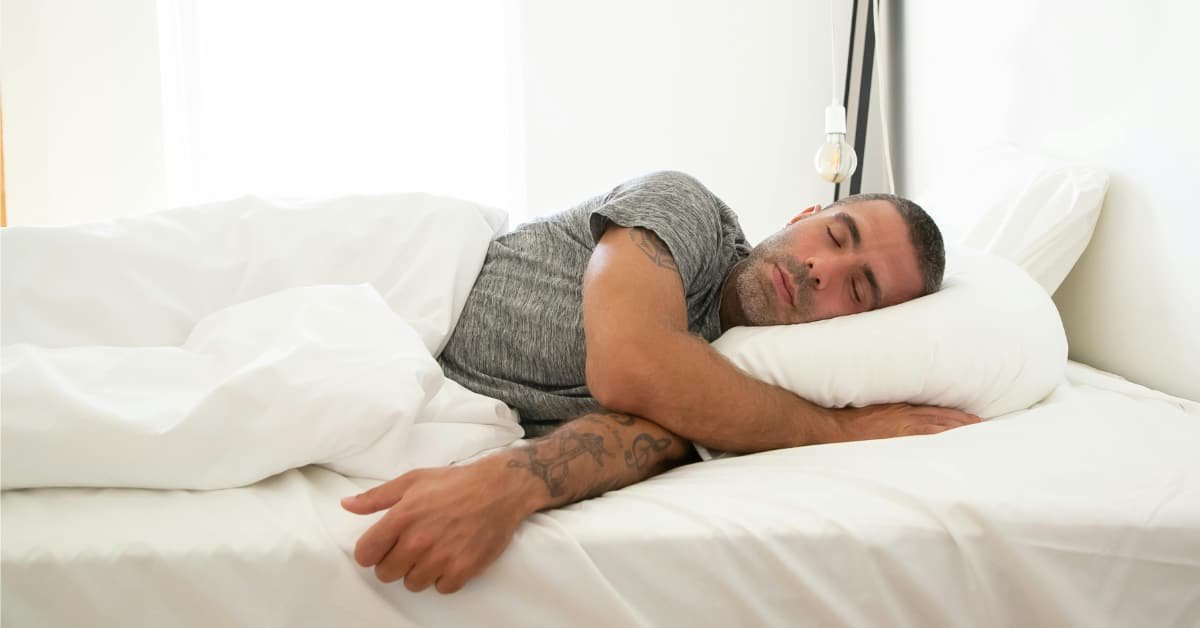
Better Sleep After 40 – The Complete Guide
Sleep after 40 is not the same as sleep at 25. You might be getting the same number of hours, going to bed at the same time and doing everything you used to do, and still waking up feeling like you haven’t rested properly. That’s not in your head. Your sleep has genuinely changed, and understanding how it has changed is the first step toward getting it back on track.
After 40, your sleep architecture shifts. You spend less time in deep, restorative sleep and more time in lighter stages that are easier to disrupt. Your circadian rhythm becomes less flexible. Your body becomes more sensitive to caffeine, alcohol, light and temperature. Hormonal changes affect how quickly you fall asleep and how long you stay asleep. And the consequences of poor sleep become more severe, affecting everything from weight and mood to cognitive function and cardiovascular health.
The good news is that most of these changes are manageable. You can’t reverse the biology of aging, but you can adapt your habits, your environment and your daily routine to work with your changing body rather than against it. Men who sleep well after 40 aren’t lucky. They’re deliberate.
This guide covers the full picture. What’s happening to your sleep, why it matters more than ever and what consistently works for men in this age group.
Why sleep feels different after 40
The shift is gradual enough that most men don’t recognise it as a physiological change. They assume they’re stressed, busy or just getting older in a vague, undefined way. The reality is more specific.
After 40, your body produces less melatonin, the hormone that regulates your sleep-wake cycle. Your circadian rhythm loses some of its sharpness, which means the signals telling you to feel sleepy at night and alert in the morning become weaker. You spend less time in stage 3 deep sleep (the phase where physical restoration, immune function and memory consolidation happen most actively) and more time in stages 1 and 2, which are lighter and more easily disrupted.
The result is that you can sleep for seven or eight hours and still wake up feeling unrested. You’re more likely to wake during the night, more sensitive to noise and light and less able to recover from a poor night quickly. Understanding why sleep feels different after 40 is important because it reframes the problem. You’re not failing at sleep. Your sleep has changed, and your approach needs to change with it.
How much sleep you actually need
The standard recommendation of 7-9 hours hasn’t changed, but what matters after 40 is how you interpret that range.
Most men over 40 function best on 7-8 hours. Some genuinely need closer to 9. Very few thrive on less than 7 despite what they might claim. The belief that you need less sleep as you age is a myth. What changes is your ability to get consolidated, uninterrupted sleep, not your need for it.
How many hours you actually need depends on factors including your activity level, stress load and overall health. A man who strength trains three times a week and walks daily needs more recovery sleep than a man who is largely sedentary. But even for less active men, consistently getting under seven hours produces measurable impairments in concentration, mood regulation, immune function and metabolic health.
The practical test is simple. If you need an alarm to wake up every morning, feel groggy for the first hour of the day or rely on caffeine to function before noon, you’re probably not getting enough quality sleep regardless of the number on the clock.
The habits that make the biggest difference
Sleep hygiene is a term that gets overused, but the principles behind it are well-evidenced and genuinely effective after 40.
The men who build strong sleep habits consistently report the same changes: faster time to fall asleep, fewer night wakings, better energy the next day and improved mood. The habits themselves aren’t complicated, but they require consistency.
A fixed wake time matters more than a fixed bedtime. Your circadian rhythm anchors to when you wake up, not when you go to sleep. Keeping your wake time consistent (within 30 minutes) seven days a week, including weekends, is one of the most powerful sleep regulators available. The temptation to sleep in on Saturday morning feels restorative but actually disrupts your rhythm for the start of the following week.
Temperature plays a larger role than most people realise. Your body needs to drop its core temperature by about 1°C (1.8°F) to initiate sleep. A cooler bedroom (around 18-19°C (64-66°F)) supports this process. A room that’s too warm keeps you in lighter sleep stages and increases the likelihood of waking during the night.
Light exposure drives your circadian clock. Bright light in the morning (ideally natural sunlight within the first hour of waking) strengthens your daytime alertness and sets up stronger sleep pressure for the evening. Screens, overhead lights and bright displays in the last hour before bed suppress melatonin and delay sleep onset. After 40, when melatonin production is already lower, this effect is amplified.
Caffeine and sleep after 40
This is the sleep factor most men underestimate because it’s the one that feels most like a personal choice rather than a physiological variable.
Caffeine has a half-life of roughly 5-7 hours in most adults, and liver metabolism slows with age, so the clearance time can be even longer after 40. A coffee at 3pm means roughly half that caffeine is still active in your system at 9 or 10pm. A coffee at 5pm means you’re trying to sleep with a significant dose still blocking the adenosine receptors your brain needs to generate sleep pressure.
Cutting afternoon caffeine is one of the simplest and fastest-acting changes you can make for better sleep. Moving your last coffee to before lunch gives your body 10-11 hours to clear most of the caffeine before bed. The effect is often noticeable within the first week: faster sleep onset, fewer night wakings and a more rested feeling on waking.
You don’t need to quit coffee. You need to respect the timing. After 40, your body’s ability to absorb caffeine without consequence has narrowed, and sleep is where that shows up most clearly.
Sleep and weight loss
The relationship between sleep and body weight after 40 is stronger than most men realise, and it runs in both directions.
When you sleep poorly, your body produces more ghrelin (the hormone that drives hunger) and less leptin (the hormone that signals fullness). The result is increased appetite the next day, stronger cravings for carbohydrate-dense foods and reduced willpower to resist them. One bad night is manageable. Chronic poor sleep creates a hormonal state that actively works against fat loss.
Poor sleep makes weight loss measurably harder. Research shows that sleep-deprived individuals on identical calorie deficits lose significantly more muscle and less fat compared to well-rested individuals. After 40, when preserving muscle is already a priority, this trade-off becomes even more costly.
If you’re managing your nutrition carefully and exercising consistently but not seeing the results you expect, your sleep is the first variable to investigate. It’s not a peripheral factor. It’s a central one.
Recovery and why it takes longer
Sleep is when your body does its most intensive repair work. Growth hormone, which drives muscle repair, tissue regeneration and cellular recovery, is released primarily during deep sleep. After 40, you spend less time in deep sleep, which means less growth hormone and a longer recovery timeline.
This is why recovery takes longer after 40 and why sleep quality matters more than ever if you’re physically active. A strength training session creates micro-damage in your muscles that needs to be repaired for the muscle to grow stronger. If your sleep isn’t deep enough or long enough, that repair process is incomplete. You show up to the next session still carrying fatigue from the last one.
The practical implication is that sleep is part of your training programme, not separate from it. Men who train regularly after 40 and prioritise sleep recover faster, progress more steadily and experience fewer injuries than those who train the same way but sleep poorly. Rest days help, but quality sleep is what makes rest days productive.
The value of daytime rest
Sleep doesn’t only happen at night. For men over 40, a brief afternoon rest can significantly improve how the second half of the day feels and performs.
Your circadian rhythm has a natural dip in alertness roughly 7-8 hours after waking, usually landing between 1pm and 3pm. Fighting through this dip with caffeine or willpower costs energy and often produces diminishing returns. A short nap of 10-20 minutes during this window can reset your afternoon alertness, improve your mood and boost cognitive function without interfering with nighttime sleep.
The key is timing and duration. Napping before 4pm and keeping it under 20 minutes avoids entering deep sleep, which causes grogginess on waking and can steal sleep pressure from the evening. A brief rest in the early afternoon works with your circadian rhythm rather than against it.
If a full nap isn’t practical, even 10 minutes of closing your eyes and disengaging from stimulation produces a noticeable effect. The principle is that your body needs a brief downshift in the early afternoon, and honouring that need improves both your afternoon and your evening.
When sleep problems need professional attention
Good sleep habits solve most sleep issues for men over 40. But not all of them.
If you snore loudly, wake up gasping, experience excessive daytime sleepiness despite adequate time in bed or have a partner who reports that you stop breathing during the night, you may have obstructive sleep apnoea. This condition is significantly more common in men over 40, particularly those carrying extra weight, and it fragments sleep in ways that no amount of habit improvement can fix. It requires clinical assessment and treatment.
Persistent insomnia (difficulty falling or staying asleep that continues for more than a few weeks despite good sleep practices) also warrants professional evaluation. Cognitive behavioural therapy for insomnia (CBT-I) is the first-line treatment and is more effective long-term than medication for most adults.
Restless legs, chronic pain that disrupts sleep, frequent urination during the night and medication side effects are all common sleep disruptors after 40 that a healthcare provider can help address.
Sleep is not a luxury after 40. It’s the foundation that everything else builds on. Your weight, your mood, your energy, your recovery, your cognitive sharpness, your long-term health. All of it rests on how well you sleep. Treating it as optional or negotiable is one of the most expensive mistakes you can make in this stage of life.
Getting your sleep right won’t fix everything. But very little else will work properly until you do.
Frequently Asked Questions
Why is sleep worse after 40?
After 40, your body produces less melatonin, your circadian rhythm weakens and you spend less time in deep restorative sleep. These changes make sleep lighter, more fragmented and more sensitive to disruption from caffeine, alcohol, light and temperature.
How many hours of sleep does a man over 40 need?
Most men over 40 function best on 7-8 hours per night. The belief that you need less sleep as you age is a myth. What changes is your ability to get consolidated, uninterrupted sleep, not your biological need for it.
Does poor sleep cause weight gain after 40?
Poor sleep increases hunger hormones, raises carbohydrate cravings and reduces the proportion of fat lost during a calorie deficit. Chronic sleep deprivation creates a hormonal environment that actively works against weight management after 40.
Can napping improve energy after 40?
A 10-20 minute nap in the early afternoon (before 4pm) can reset alertness, improve mood and boost cognitive function without interfering with nighttime sleep. Longer or later naps risk entering deep sleep and disrupting the evening sleep cycle.
This article is for general information only. If you experience persistent sleep problems, loud snoring, excessive daytime sleepiness despite adequate sleep habits or symptoms that suggest sleep apnoea, consult a healthcare professional for proper assessment and treatment.