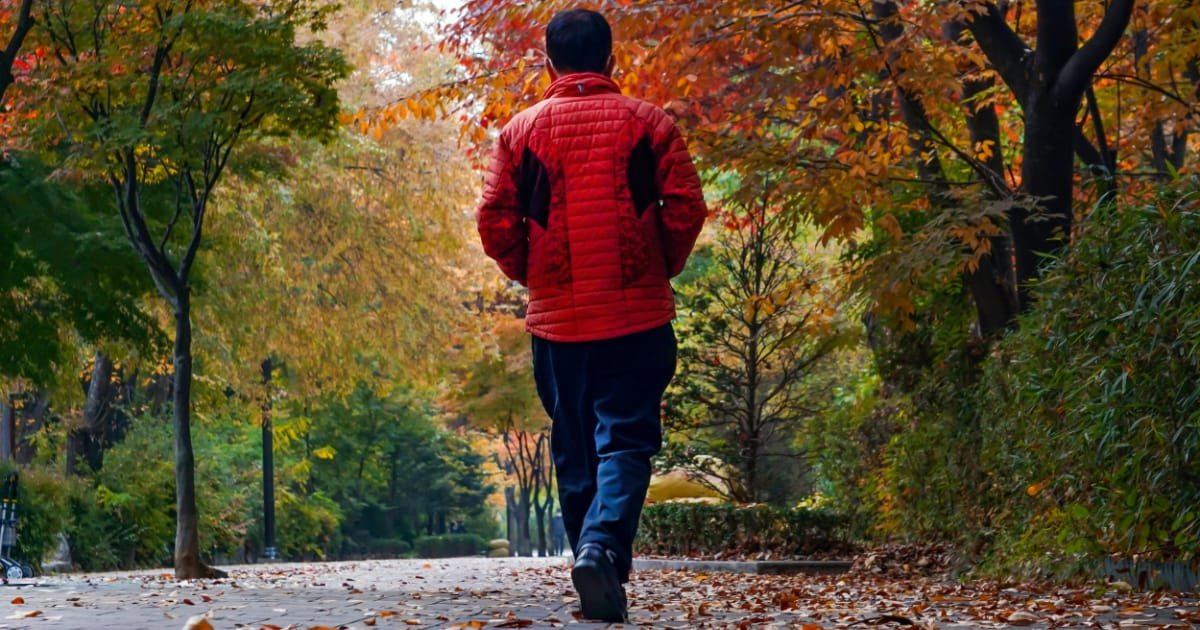
You started walking a few months ago. Maybe 30 minutes most days. You feel better overall with more energy, better mood and less stiffness. But when you look in the mirror or step on the scale, the changes are underwhelming.
You expected fat loss to be more obvious by now. You’ve been consistent. You’re moving more than you have in years. So why does it feel like nothing’s happening?
For many men over 40, walking for fat loss feels slower and less obvious than expected.
The disconnect between feeling better and seeing visible fat loss often creates doubt about whether walking is actually doing much.
Walking does change things. Just not always in the ways people expect or on the timeline they hope for.
What Usually Improves First
For many men, the earliest changes are more functional than visual.
Energy often stabilizes before anything else. Afternoons don’t feel as draining. Mornings are slightly easier to get through. Small tasks don’t take the same effort they used to.
Mood tends to shift as well. Not dramatically, but irritability and background stress often soften. Sleep may improve – falling asleep a bit faster or waking up feeling less groggy.
Physically, the body starts to feel different. Stiffness eases. Joints loosen. Stairs don’t leave you as winded.
For many men, the first noticeable shifts look something like this:
- steadier energy through the day
- less morning stiffness
- slightly better sleep quality
- fewer afternoon crashes
Some also notice changes in appetite awareness. Not necessarily eating less, but being more aware of when hunger is real versus habitual.
These are real improvements. They just don’t show up clearly on a scale or in your waistband and that’s where disappointment often begins.
Why This Phase Often Feels Disappointing
Walking doesn’t burn as many calories as people assume. A regular 30-minute walk helps, but it doesn’t create the kind of dramatic deficit that leads to fast fat loss.
The body also adapts. After a few weeks, walking feels easier because it is easier. Your body becomes more efficient at the movement, which slightly reduces how much energy it costs.
At the same time, appetite can subtly increase. Not in an obvious way — just enough to offset some of the benefit. A slightly larger portion here, an extra snack there.
Age plays a role too. Fat loss tends to move slower after 40. That isn’t a personal failure. It’s a reality most men underestimate when they start.
And early fat loss, when it happens, is often subtle. Small changes can be masked by water retention, digestion, or day-to-day weight fluctuations. The scale rarely tells the full story.
Feeling Better vs. Looking Different
This is where expectations quietly work against progress.
Walking can improve cardiovascular health, reduce stress, support better sleep, and help with insulin sensitivity — even if visible fat loss is minimal. You can feel healthier and function better without looking noticeably different.
That disconnect frustrates many men because visible change feels like proof that effort is paying off.
But health improvements compound in less obvious ways. Better sleep affects energy and appetite. Lower stress influences how your body stores fat. Improved mobility changes how much you move throughout the day, even outside of planned walks.
Fat loss might happen slowly. Or it might stay modest. Both can coexist with real improvements in how your body feels and functions.
Why Results Vary So Much From One Person to Another
Some men do lose noticeable fat from walking alone. This often happens when someone was very sedentary to begin with and doesn’t change eating habits much. The added movement is enough to tip the balance.
Starting point matters. Men carrying more excess weight often see changes sooner. Those closer to their usual weight tend to see slower, less obvious shifts.
Walking can also support fat loss indirectly: through better sleep, reduced stress, and less mindless eating. But isolating walking as the sole driver rarely tells the whole story.
For others, visible fat loss doesn’t show up despite consistency. Stress, poor sleep, long workdays, or subtle changes in eating patterns can blunt results. Walking helps, but it isn’t strong enough to override everything else happening in daily life.
This is usually the point where men start questioning whether continuing is worth it at all.
What Often Gets Misread in the First Few Months
Progress is easy to misinterpret early on.
The scale fluctuates for reasons unrelated to fat loss. Water retention, sodium intake, digestion, and travel can all mask small changes.
Waist measurements don’t always move first. Fat loss isn’t linear, and it doesn’t happen in predictable areas. Sometimes the midsection is the last place to change.
Common misinterpretations during the first few months include:
- assuming the scale reflects fat loss accurately
- expecting the waist to shrink early
- treating three months as a long timeline
- comparing progress with other people
In reality, three months of consistent walking is often just the beginning. For many men, noticeable fat loss – that is, if it happens – shows up closer to six months or later.
How to Think About Walking Going Forward
Walking works best when it’s treated as a base, not a test.
It’s something you do because it supports how you feel day to day. Fat loss may follow, but it isn’t guaranteed or immediate.
For men whose main goal is visible fat loss, walking alone often isn’t the whole picture. Eating patterns, sleep quality, and stress levels usually play an equally large role.
That doesn’t make walking pointless. It makes it foundational.
Many men eventually layer in other habits: basic strength work, small changes in eating, better sleep routines. Walking stays, but it’s no longer carrying the entire burden of results.
Bottom Line
Walking improves how you feel and function, even when visible fat loss lags behind expectations.
For men over 40, fat loss is often slower and less predictable than it used to be. Walking contributes, but for many, it doesn’t lead to dramatic changes on its own, at least not quickly.
That doesn’t mean walking isn’t working. It means the question itself may need reframing.
Instead of asking whether walking is “enough,” it’s often more useful to see it as the habit that makes everything else easier to support: whether fat loss shows up early, late or quietly in the background.
Frequently Asked Questions
How long should I walk before expecting fat loss?
There’s no fixed timeline. Some men notice subtle changes within a few months. Others see little visible fat loss even after six months. Starting point, sleep, stress, eating habits and genetics all influence how quickly changes appear.
Should I walk more often or for longer to lose fat?
Increasing frequency can help, especially if you’re walking only a few days a week. Very long walks don’t always lead to better results and can increase fatigue or appetite. Sustainability matters more than duration.
Does walking speed matter for fat loss?
Walking faster burns slightly more energy, but the difference is smaller than most people expect. A pace you can maintain consistently tends to work better than pushing hard for a short period and then stopping.
What if I’m walking regularly but my weight isn’t changing?
Weight doesn’t always reflect fat loss accurately. You could be losing fat slowly while retaining water, or eating slightly more without noticing. Plateaus are common and don’t always signal failure.
Should I change my diet if walking alone isn’t producing results?
That depends on your priorities. If fat loss is important and walking alone isn’t enough, small adjustments to eating habits can help. But if walking improves how you feel overall, there’s no obligation to overhaul everything just because the scale isn’t moving.
Leave a Reply