Is Walking Safe for Knees and Joints After 40?
Walking is one of the best things you can do for your knees and joints after 40. How to start safely if you’re already stiff or sore, and what the research says.
Walking after 40 is one of the simplest and most sustainable ways for men to improve joint health, stamina, posture, and long-term metabolic fitness. This section covers practical, age-appropriate guidance on walking safely and effectively.
Start with our complete guide: Walking After 40 – The Complete Guide.
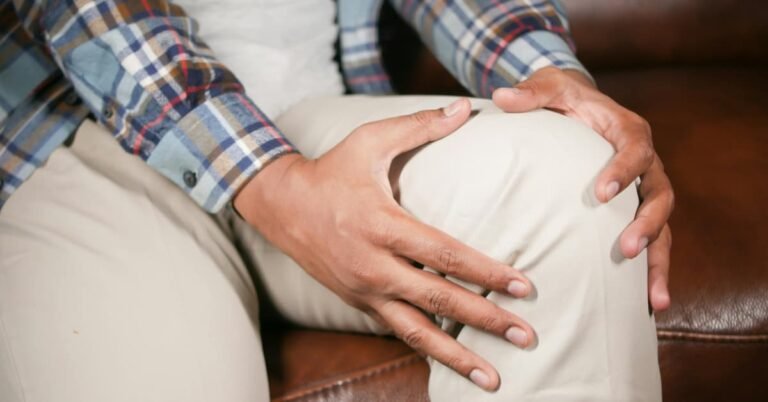
Walking is one of the best things you can do for your knees and joints after 40. How to start safely if you’re already stiff or sore, and what the research says.

Brisk walking and slow walking feel very different after 40. Learn how pace affects joints, recovery, and long-term consistency so you can choose what actually works for your body.

Is morning or evening walking better after 40? This article explores how each feels over time, and why long-term consistency matters more than timing.

Morning, midday, and evening walks all feel different after 40. This article explores how timing affects energy, stiffness and mood and why the best time to walk is often the one that fits your life right now.

Poor sleep changes how walking feels. This article looks at when walking helps after a bad night, when it doesn’t, and how adjusting duration or timing can support recovery without turning your routine into a test.