7 Sleep Habits That Changed My Energy After 40
I used to treat sleep like leftovers. Whatever time was left after work, dinner, screens and “just one more episode” – that’s what sleep got. Some nights it was seven hours. Some nights barely five. I didn’t think much about it because I’d always been able to get by on inconsistent sleep.
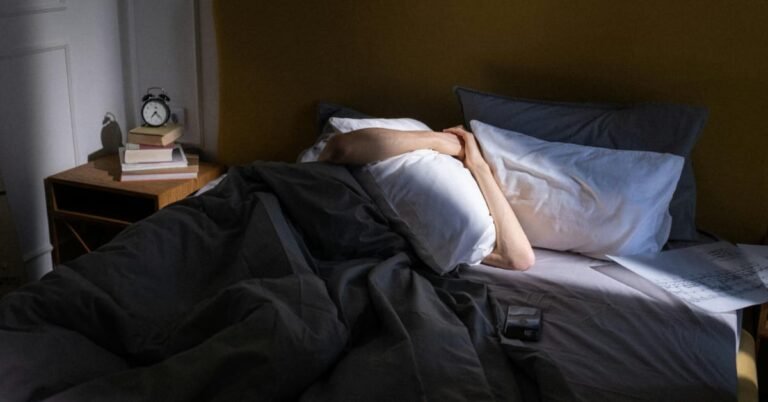
Then I hit my early 40s and getting by stopped working. I was tired all day, groggy every morning and running on caffeine by 2 p.m. Sleep wasn’t just a time block anymore. It was broken and everything else was breaking with it.
Over the past couple of years, I’ve tested a lot of sleep advice. Some of it made no difference. Some of it changed how I feel every morning. These are the seven habits that actually moved the needle for me – ranked roughly by how much impact they had.
1. Going to Bed at the Same Time Every Night
This was the single biggest change. Not the most exciting one, but the most effective by far.
I picked 10:30 p.m. Not because of any science-backed optimal time, but because it was realistic for my life. Early enough to get seven-plus hours before my alarm. Late enough that I wasn’t lying in bed wide awake.
The first week was rough. My body wasn’t used to a schedule. I’d lie there restless, mind still running. But by week two, something clicked. I started getting drowsy around 10:15 without trying. Falling asleep got faster. Waking up got easier.
The weekends were the hard part. Staying up late on Friday and sleeping in on Saturday felt harmless, but it would wreck my Monday and Tuesday sleep every time. When I forced myself to stick within 30 minutes of my regular time – even on weekends – the consistency compounded. My body stopped fighting bedtime.
If you only change one thing about your sleep, make it this. Everything else works better when your internal clock isn’t constantly resetting.
2. No Screens After 10 p.m.
I knew about blue light and melatonin suppression. Everyone does. But knowing it and doing something about it are different things.
My habit was scrolling my phone in bed. News, social media, random articles. It felt relaxing in the moment, but I’d look up and it would be 11:30 and my brain would be wired. The content I was consuming wasn’t even important. It was just friction between me and sleep.
I started putting my phone on the charger in the living room at 10 p.m. Not in the bedroom. Not on the nightstand. In a different room entirely. Removing the temptation was more effective than relying on willpower.
The first few nights felt strange. I didn’t know what to do with my hands. But that discomfort faded fast. Within a week, the 30 minutes before bed became the calmest part of my day. I’d read a few pages of a book or just sit quietly. My brain started associating that window with winding down, and falling asleep got noticeably faster.
3. Cutting Caffeine After Noon
I’d already been doing this for about a year now and the effect was clear enough that I never went back.
I used to have a coffee around 3 or 4 p.m. to push through the afternoon slump. It worked for about two hours, then left me in a worse state by evening. I didn’t connect it to my sleep until I read that caffeine has a half-life of five to six hours. That afternoon coffee was still half-active in my system at 9 or 10 p.m.
When I moved my last coffee to before noon, two things happened. The afternoon slump actually got shorter over time – partly because my sleep quality improved, which gave me more natural energy. And falling asleep at my target time became much easier.
I still drink coffee. Usually two cups before noon. I just stopped using it as an afternoon crutch. The energy I was borrowing from caffeine in the afternoon was being stolen from my sleep at night.
4. Making the Bedroom Cool and Dark
This one felt almost too simple to matter. But the difference was immediate.
I started keeping the bedroom at around 19 to 20 degrees Celsius. Got blackout curtains to block the streetlight that had been leaking in through the blinds. Small changes. Maybe thirty minutes of effort total.
The first night with blackout curtains, I slept through until my alarm without waking up once. That hadn’t happened in months. The cooler temperature made falling asleep faster – my body wasn’t fighting to cool itself down under a warm blanket in a warm room.
Your body temperature needs to drop slightly to initiate sleep. If your bedroom is too warm, you’re working against basic biology. And any light – even a small LED from a charger or a gap in the curtains – can suppress melatonin production enough to lighten your sleep.
5. Upgrading the Mattress
Nobody talks about this in sleep advice articles and I don’t know why. I spent years optimising sleep timing, caffeine intake and room temperature while sleeping on a mattress that was over a decade old and visibly sagging in the middle.
When I finally replaced it, the difference was hard to believe. Less tossing and turning. Fewer times waking up at night. Less back stiffness in the morning. My sleep wasn’t just longer – it felt deeper.
You don’t need to spend a fortune. But if your mattress is more than 8 to 10 years old, dips in the middle, or you wake up with back or shoulder pain that fades during the day, the mattress is probably part of your problem. It’s one of those things you stop noticing because you adapt to it gradually. You don’t realise how bad it’s gotten until you sleep on something better.
6. Walking in the Evening
I started walking after dinner mainly for the physical benefits – weight management, joint health, general movement. The sleep improvement was a bonus I didn’t expect.
A 20 to 30 minute walk after dinner, nothing intense, became one of the most reliable sleep aids I’ve found. It helps digestion, lowers the cortisol that builds up during a stressful workday and creates a natural transition between the active part of the day and the winding-down part.
On days I skip the walk, I notice it at bedtime. My body feels less ready. My mind takes longer to settle. The walk doesn’t need to be long or fast. It just needs to happen consistently enough that your body starts treating it as a signal that the day is ending.
The timing matters though. Walking right after dinner works well. A vigorous walk or any intense exercise within two hours of bedtime can have the opposite effect – raising your heart rate and body temperature when they should be dropping.
7. No Alcohol Before Bed
I noticed this one earlier than most of the others. Even in my late 20s, I could feel that alcohol disrupted my sleep. A couple of drinks in the evening would help me fall asleep faster but I’d wake up at 3 a.m. feeling alert and restless. The second half of the night would be shallow and fragmented.
After 40, the effect got worse. Even a single glass of wine with dinner would noticeably lighten my sleep. I’d wake up more often. The morning grogginess was heavier. And it would take two nights of clean sleep to recover from one night of drinking.
I didn’t quit alcohol completely. But I stopped drinking on weeknights entirely and when I do drink on weekends, I make sure it’s earlier in the evening – with dinner, not after it. The gap between the last drink and bedtime makes a measurable difference.
If you’re sleeping poorly and you drink regularly, try two weeks completely alcohol-free and track how your sleep changes. Most men are surprised by how much better they sleep without it.
What Didn’t Make the List
A few things I tried that didn’t do much for me personally.
Sleep supplements like melatonin and magnesium. Melatonin helped slightly with falling asleep but didn’t improve sleep quality. Magnesium didn’t produce any noticeable change. These might work for some people, but for me the behavioural habits made far more difference than any pill.
Sleep tracking apps and wearables. Interesting data but they made me anxious about my sleep score, which is counterproductive. I stopped wearing the tracker and slept better without the performance pressure.
White noise machines. Tried one for a few weeks. Made no difference either way in my case. If you live somewhere noisy, it might help. I just didn’t need it.
The Compounding Effect
No single habit on this list transformed my sleep. The mattress upgrade came closest, but even that worked better because I was already sleeping on a consistent schedule in a cool, dark room without caffeine or alcohol interfering.
Sleep habits compound. Each one removes a small obstacle. Stack enough of them together and the cumulative effect is significant. My mornings went from groggy negotiations with the alarm clock to waking up naturally a few minutes before it rings. That shift didn’t happen overnight. It built over a few weeks of doing the boring, consistent work of going to bed at the same time, keeping the room cold, putting the phone away and walking after dinner.
None of this is revolutionary. That’s sort of the point. Sleep after 40 doesn’t need a revolution. It needs a routine.
For the full picture on better sleep after 40, read the complete guide.
This article is based on personal experience. If you have persistent sleep problems, loud snoring, or excessive daytime fatigue despite good sleep habits, consult a healthcare professional to rule out conditions like sleep apnea.